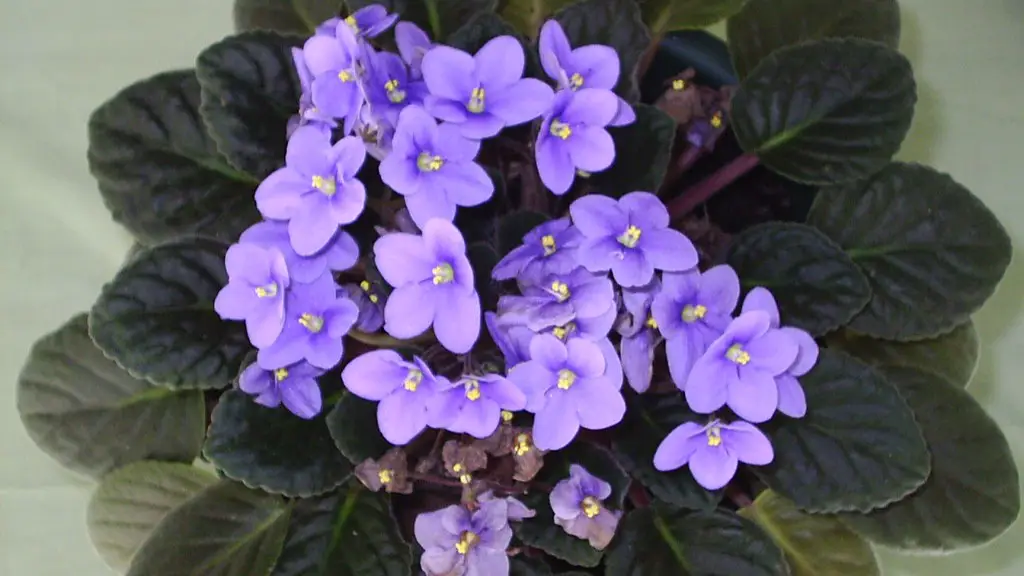
Assuming you would like an introduction to the topic of how to care for African violets in the UK:
African violets are a beautiful and popular plant that originates from Africa. These lovely flowers can brighten up any room and are fairly easy to take care of, making them a great choice for both beginner and experienced plant-owners alike. If you live in the UK and are interested in adding an African violet (or two!) to your home, read on for some tips on how to keep your plant healthy and thriving.
There are a few things to keep in mind when caring for African violets in the UK. The first is to make sure they have plenty of light, but not direct sunlight. African violets also need to be kept moist, but not too wet. The best way to do this is to water from the bottom, using a tray or saucer filled with water. Allow the water to soak up into the potting mix, and then empty any excess water. Lastly, be sure to fertilize regularly using a half-strength fertilizer solution.
How often do you water an African violet?
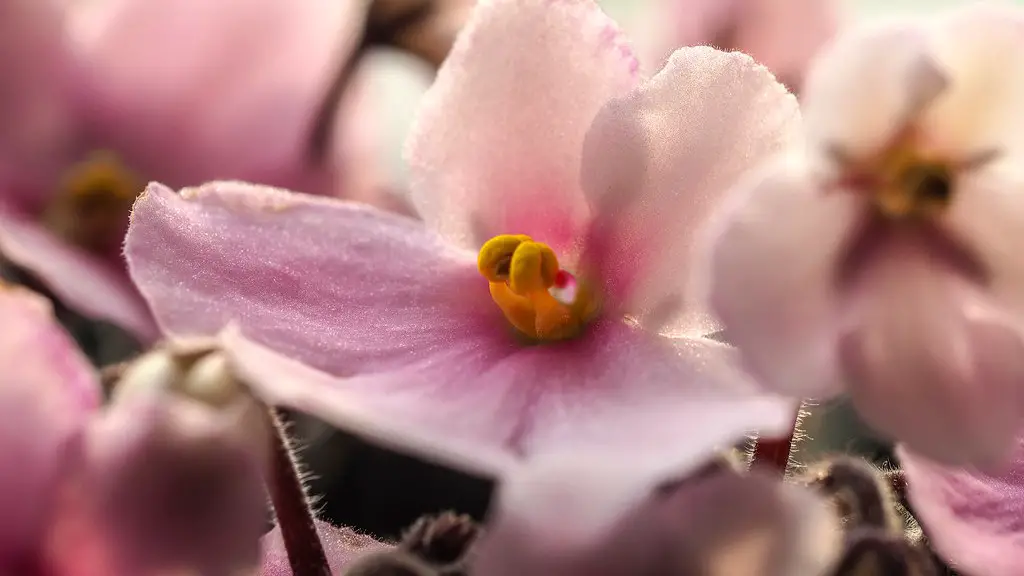
A wicking system is a watering system where water is drawn up from a reservoir through a wick. The water then saturates the soil around the plant, and the plant’s roots take up the water as needed.
African violets are particularly well suited to this type of watering system because they have shallow root systems and prefer to be kept on the dry side. Plus, using a wicking system means you only have to water your plants once a week, which is a major time saver!
To get the best color and blooms from your plants, grow them in bright, indirect light. A plant stand three feet away from a west- or south-facing window is an ideal location. Plants will still grow when situated right beside north- or east-facing windows, but leaves will be thin and spindly, and plants less likely to bloom.
How do you take care of African violets indoors
African violets need indirect sunlight, so a north- or east- facing window is best. Keep plants away from cold glass and rotate the pot once a week so all leaves receive light. Extend daylight by placing African violets under a grow light during winter months.
It is best to water African violets from the bottom. This allows the water to go directly to the roots without wetting the leaves. It is important not to use cold water, as this can shock the plant. Lukewarm or warm water is best.
Can I water African violets with tap water?
If you’re not sure about the quality of your tap water, it’s best to err on the side of caution and use filtered or distilled water for your African violets. Chlorine, chloramines, and dissolved solids can all adversely affect these delicate plants, so it’s best to play it safe.
It is important to water African violets carefully, as they are susceptible to crown rot. The best way to water them is to use room temperature water and to avoid misting the foliage, as this can cause permanent leaf spotting.
Do African violets need bigger pots?
African violets thrive when they are slightly pot-bound, so it is best to choose a pot that is on the smaller side. A professional tip is to use a pot that is 3-4 inches in diameter for a standard African violet plant.
If you’re looking to add a splash of color to your home with some flowers, you may want to consider adding a few impatiens to your collection. These beautiful little flowers prefer bright, indirect sun and an east-facing window is ideal. Just be sure to provide them with a sheer curtain to block the sun’s harshest rays as too much sun can burn their leaves. They also need eight hours of darkness every night in order to thrive.
Should you touch African violet leaves
As much as we might like to show our affection for our plants by brushing their leaves, it’s not a good idea to do so with african violets. Repeated brushing can actually decreases the quality and size of the plant. So the next time you’re tempted to give your african violet a little love, just resist and enjoy its beauty from afar.
There are a few things to keep in mind when using herbicides to kill wild violets. First, you want to make sure that you use a broadleaf killer that contains 2,4-D or Dicamba. This will selective kill the violets without damaging the grass. Another great wild violet herbicide is called Drive (quinclorac).
Can I pour coffee on my plants?
Don’t just pour that last bit of coffee down the drain! You can use it to fertilize your plants, both indoor and outdoor. Coffee grounds (and brewed coffee) are a source of nitrogen for plants, producing healthy green growth and strong stems.
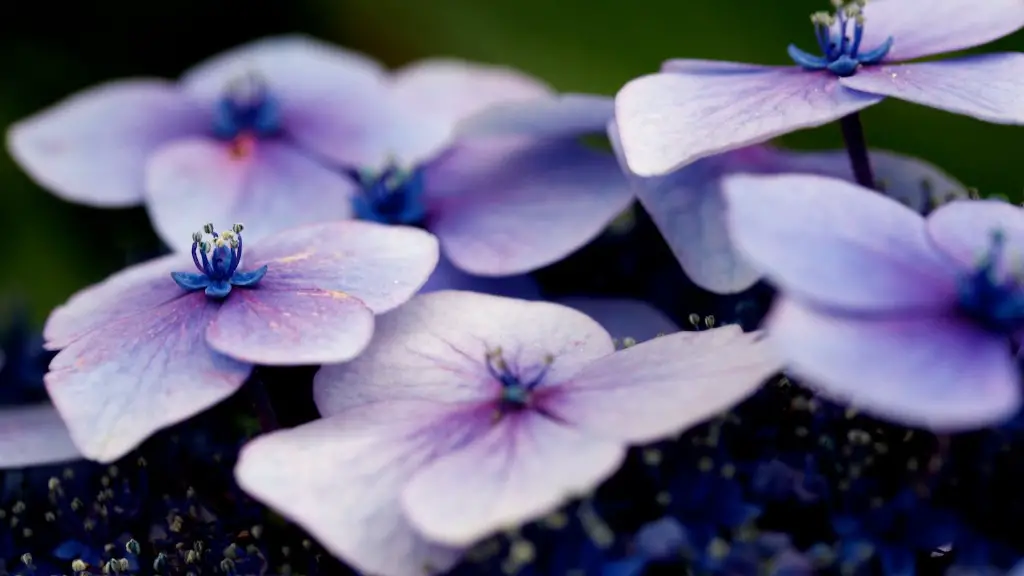
Coffee grounds are slightly acidic and contain nitrogen, which helps plants grow healthy foliage. Occasionally sprinkling used coffee grounds on top of your African violet potting soil can be good for the plant.
How long should African violets sit in water
Make sure the water you give your African violet is either tepid or at room temperature. It’s best to let the water sit for 24-48 hours, but if you can’t, then letting it stand for at least an hour should be sufficient.
If you have over-watered your African Violet plant, you will need to allow the soil to dry out completely before watering again. To help speed up the process, you can place the plant in a bright spot with good airflow.
How do I know if my African violet needs to be repotted?
When you see your African violet starting to outgrow its pot, it’s time to repot it into a larger one! This will help the plant to continue growing healthily, without becoming root-bound. Be sure to use a pot that is only slightly larger than the previous one, so that the roots have enough room to spread out without becoming pot-bound again.
African violets are one of the few flowering plants that bloom reliably indoors, making them a popular choice for houseplants. They are relatively easy to care for, but they do have a few specific watering needs. The best way to water an African violet plant is from the bottom up. Place your plant in a shallow tray of water for 30 minutes, allowing the soil to soak up the water through the drainage holes at the bottom of the pot. This ensures that the roots get a good soaking and prevents the leaves from getting too wet, which can cause them to rot.
Warp Up
From the African Violet Society of America:
Basic Care of African Violets
Light
The African violet is a shade-loving plant, native to the forest floors of tropical Africa. They grow best with 12-14 hours of bright, indirect sunlight per day. South or West facing windows are ideal. If your violets are not receiving enough light, they will become leggy and produce fewer flowers. If they are receiving too much light, the leaves will become sunburned and turn yellow.
Water
Always use lukewarm water when watering your African violets. Room temperature water is fine, as long as it is not cold. Never use water that has sat in the sun, as this can damage the leaves. Water the soil, not the leaves, until the soil is moist but not soggy.African violets should never be allowed to sit in water. Allow the soil to dry out some between watering. Overwatering is the leading cause of death for African violets.
Humidity
African violets prefer high humidity, around 40-50%. If your home is particularly dry, you can increase the humidity around your plants by grouping them together, using a humidifier
There are a few key things to remember when caring for African violets in the UK. Watering is probably the most important, as these plants like to be kept moist but not wet. Allow the soil to dry out a bit between waterings, and don’t let the plant sit in water. Feeding is also important, using a specialised African violet food every 2-4 weeks. Other than that, maintaining a humid environment and keeping an eye out for pests are also important. With a bit of care, your African violet should thrive!