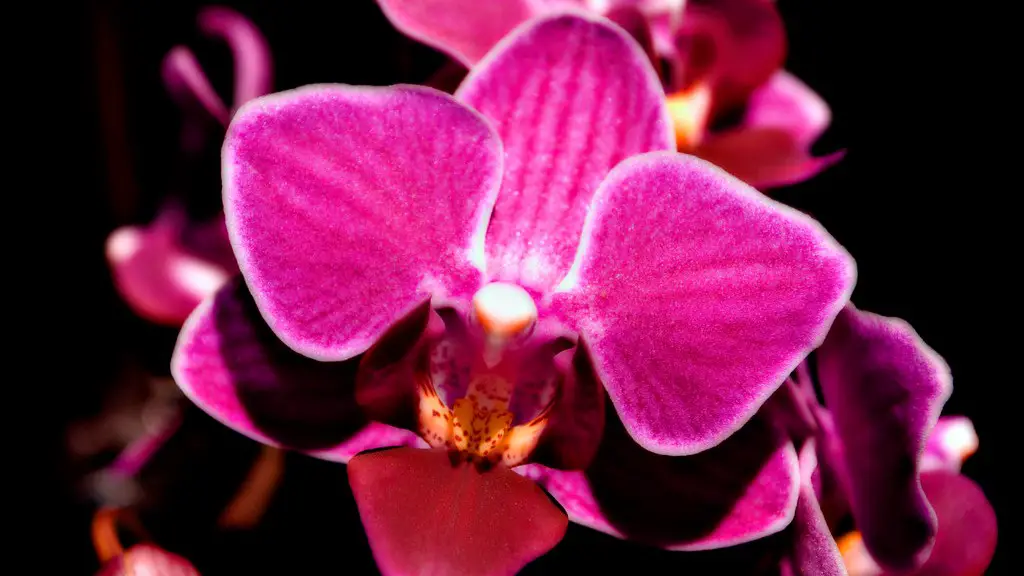
The average lifespan of a Phalaenopsis orchid is around 3-5 years, with proper care. However, these beautiful flowers can last much longer with the right environment and attention. Keep your Phalaenopsis orchid in a warm, humid place with indirect sunlight and it will continue to bloom for many years to come.
The average life span of a Phalaenopsis orchid is between 2 and 3 years.
How long does an orchid live indoors?
The lifespan of an orchid plant is 20-25 years if it is grown indoors. The plant’s lifespan depends on the grower’s attentiveness and how well the plant is cared for.
1. Let there be light: An east-facing window that gets morning light is ideal.
2. Not too hot, not too cold: Phalaelnopsis orchids are happy in the same temps we are. They should be above 60º at night and between 70º and 80º during the day.
3. Cut spent blooms: This will encourage your orchid to bloom again.
4. Remember food and water: Orchids need to be fertilized and watered regularly.
5. Repot on occasion: This will help your orchid to stay healthy and thriving.
Do Phalaenopsis orchids come back every year
Phalaenopsis orchids are native to tropical and subtropical regions of Asia, so they are used to warm weather. In their natural habitat, they typically bloom once a year in late spring or summer. But when grown indoors, they can bloom several times a year. The key to getting them to bloom indoors is to mimic their natural conditions as much as possible. That means providing them with bright, indirect light and keeping the temperature warm (between 65 and 80 degrees Fahrenheit). With the right care, you can enjoy beautiful blooms from your indoor Phalaenopsis orchid all year long!
A phalaenopsis orchid goes through six stages in its life cycle, which are seed production, germination, seed formation, seed maturation, flowering, and reproduction. If it is properly taken care of, a phalaenopsis orchid can last for many years, or even decades.
What to do with an orchid after the blooms fall off?
If you remove the flower spike entirely, be sure to clip it at the base of the plant. This will prevent the stem from turning brown or yellow.
Orchids are beautiful, delicate flowers that add a touch of elegance to any setting. While they may be small, they are actually quite hardy plants that can thrive in a variety of conditions. However, they do have one specific need that must be met in order to ensure their health and longevity: they require a small pot.
As orchids grow, their roots weave through the compost in the pot, gradually taking up more and more space. Eventually, they will reach the point where they have run out of room and their roots will begin to push the plant up above the rim of the pot or reach out into the air, looking for breathing space. This is a sure sign that it is time to re-pot the plant.
While it may seem daunting, re-potting an orchid is actually quite easy. Simply choose a new pot that is only slightly larger than the current one and fill it with fresh compost. Gently remove the plant from its old pot and place it in the new one, being careful not to damage the roots. Water well and place in a bright, warm spot.
With a little care and attention, your orchid will thrive and provide you with years of enjoyment.
Do Phalaenopsis orchids multiply?

You can propagate a Phalaenopsis or another monopodial (single-stemmed) orchid by cutting the stem. The thing is, we’re not talking a flower stem here, we’re talking mature orchids that have so many leaves stacked on top of each other that a good-sized stem has formed.
If you have a phal Orchid that is potted in bark, you will generally only need to water it once a week. If your plant is potted in moss, you will need to water it when the top feels dry. The amount of light and heat your plant receives will also affect how soon your phal needs watering. Summer months will need more frequent watering, winter will need less.
Do orchids bloom again after dying
The flowers on your houseplant will bloom again, but in the meantime, you can fertilize it monthly or every other week. Use a houseplant fertilizer or balanced fertilizer at half the recommended rate.
It’s that time of year again when the Phalaenopsis orchids in our collection finally lose their blooms. Some will remain in bloom for awhile longer, but the ideal time to repot orchids is when they go out of bloom and Phalaenopsis is no exception. So if you’re looking for a beautiful blooming plant to add to your collection, be sure to check out our Phalaenopsis orchids!
Why has my orchid not bloomed in 2 years?
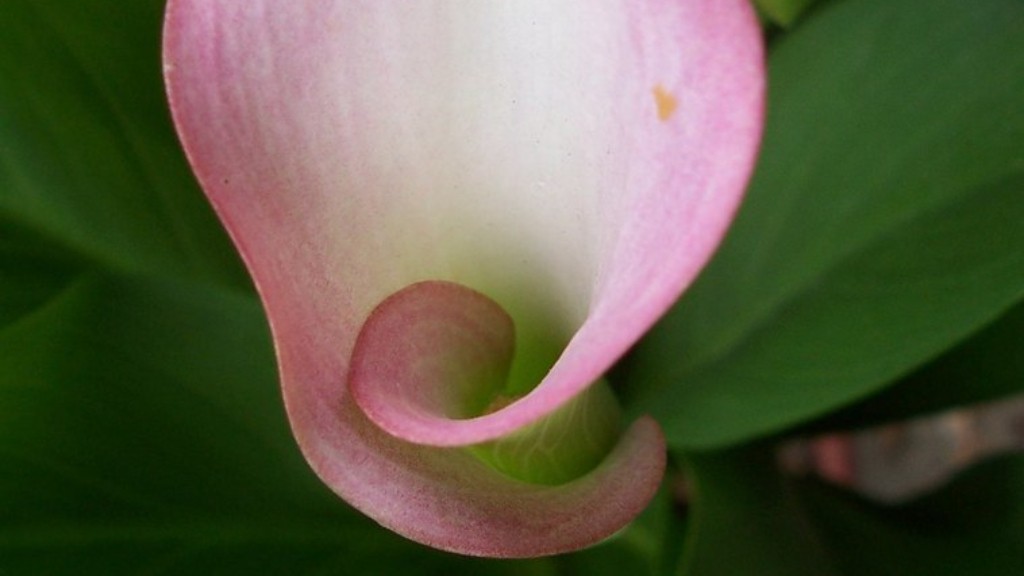
In order to produce flowers, orchids require sufficient light. Most of the time, the failure to re-bloom your orchid is caused by insufficient light. You can tell if the amount of light is adequate by the color of the leaves.
To ensure that your orchids bloom, it is important to provide them with adequate light. While other factors such as temperature and water availability can also play a role in blooming, they will be unsuccessful if the plants do not have enough light. Providing your orchids with the right amount of light will help them to thrive and produce beautiful blooms.
What triggers flowering in Phalaenopsis
Most phalaenopsis species are native to areas close to the Equator and do not need a specific photoperiod to induce flowering. Instead, it is the low temperature that triggers phalaenopsis to start the flowering process.
The telltale differences between a dead orchid and a healthy, resting one are the crown and roots. If the crown is brown and mushy, the orchid is likely dead. However, a healthy, resting orchid has roots that are green or white and plump or firm to the touch.
How do I get my Phalaenopsis orchid to bloom again?
If you want your orchid to rebloom, make sure it gets plenty of light. Place it in an area with bright, indirect sunlight. The more light it gets, the longer its blooms will last and the greater its chances of reblooming.
Orchids are a beautiful and popular type of flower. Many people enjoy growing them in their homes and gardens. Fortunately, they are relatively easy to care for and will often bloom for many years with proper care. One of the great things about Orchids is that they can be propagated relatively easily. This means that if you want to create more plants, you can do so by taking stem cuttings or dividing the rhizomes. Additionally, if the flowers on your Orchid plant begins to die, you can expect a new flower spike to grow back in its place. With all of these things in mind, it’s no wonder that Orchids are such a popular choice for many people.
Do orchids rebloom on old stems
If you want your Phalaenopsis orchid to re-bloom, you’ll need to give it a little extra care. Phalaenopsis orchids are the only type of orchid that will typically re-bloom from an old spike. To encourage your orchid to re-bloom, you’ll need to keep it well-watered and fertilized, and give it plenty of light. If you do all of these things, you should see your orchid re-bloom in no time!
If you notice that your orchid’s leaves are beginning to droop or that the bloom stems are small and have few flowers, it’s a good idea to check the plant for dehydration. To revive your orchid, water it carefully and consistently, and fertilize it lightly.
Conclusion
A phalaenopsis orchid can live for 6 to 12 months.
A phalaenopsis orchid can last for many years with proper care. They are tough plants that can tolerate a wide range of conditions, but they prefer warm temperatures and humid conditions. With regular watering, fertilizing, and repotting, your orchid can bloom for years to come.