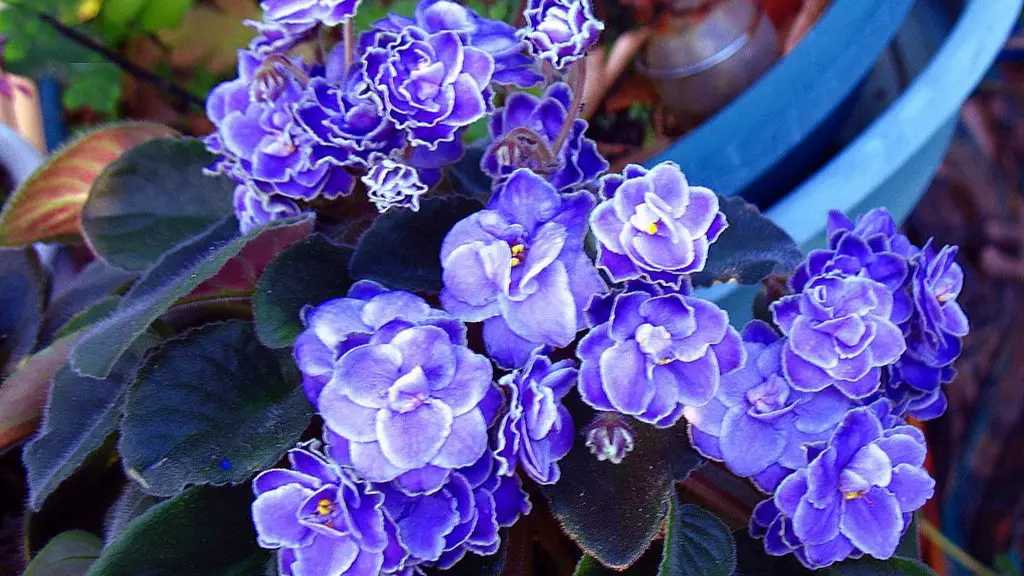
No, African violets do not need a lot of light. They are perfectly content to grow in an east- or west-facing window, as long as they’re not in direct sunlight.
No, African violets do not need a lot of light. They do best in bright, indirect light, such as that found near a north- or east-facing window.
Where is the best place to put an African violet?
If you want your plants to have the best color and blooms, grow them in bright, indirect light. An ideal location for a plant stand is three feet away from a west- or south-facing window. Plants will still grow when situated right beside north- or east-facing windows, but leaves will be thin and spindly, and plants less likely to bloom.
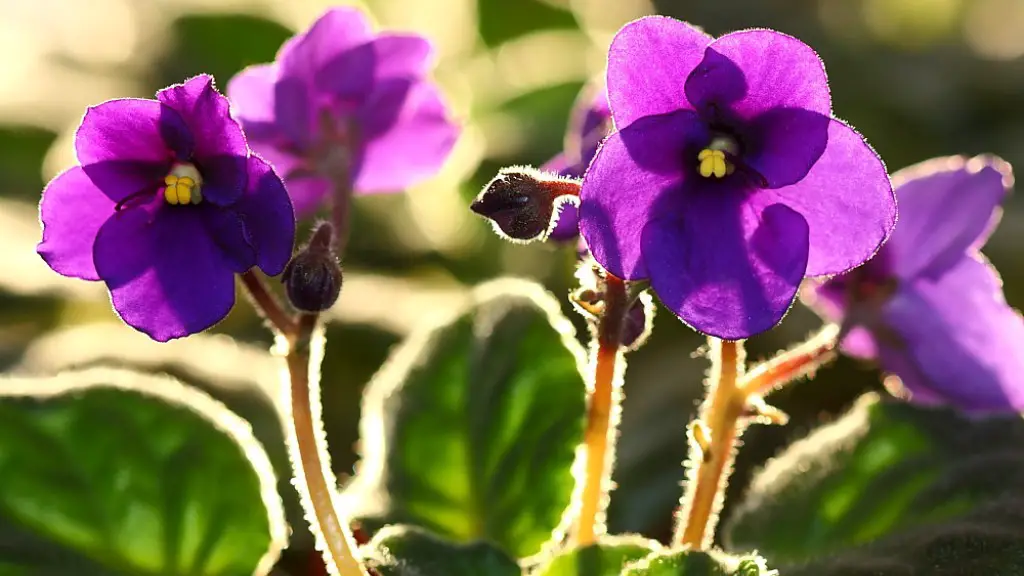
If you’re not familiar with wicking, it’s a method of watering plants where water is drawn up from a reservoir via a wick. This means that the plant only ever has access to as much water as it needs, and it can’t be over watered.
To set up a wicking system for your African violets, you’ll need a container with a reservoir (this can be anything from a recycled plastic container to a purpose-built wicking bed), a wick (which can be made from any absorbent material), and some soil.
Once you have your materials, simply fill the reservoir with water, place the wick in the water, and then top with soil. Water your plant as usual, and the water will be drawn up through the wick and into the soil, giving your plant the perfect amount of moisture.
Can African violets survive in low light
When growing African violets, it is important to provide them with ample indirect light. If they do not receive enough light, they will produce few or no flowers and their leaves will become darker green and thin with long, weak stems. African violets can be easily grown under artificial lights, making them a great option for those who do not have access to natural light.
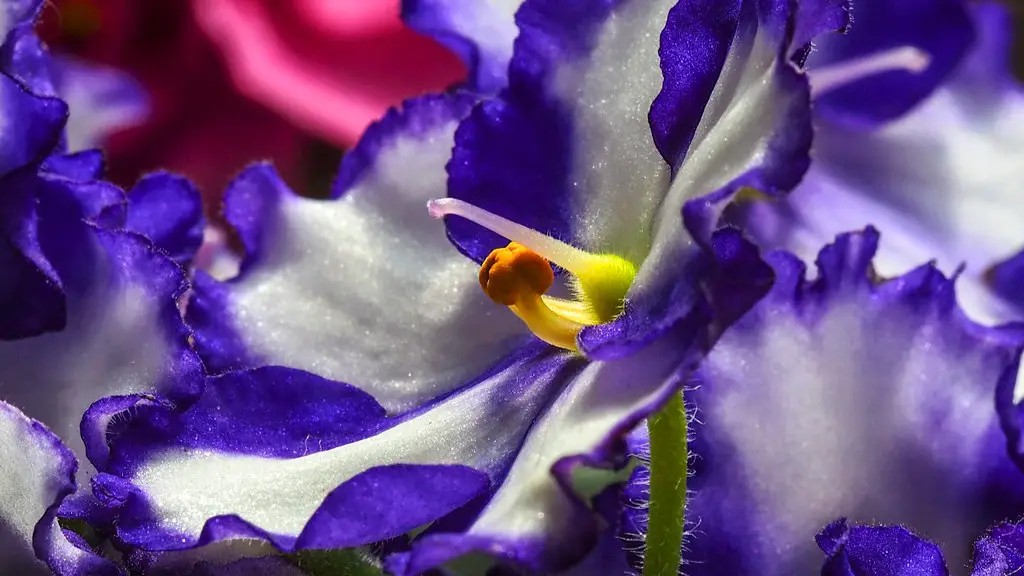
If you can barely see the shade of your hand over the Violet, then it is getting the correct amount of light. African violets need indirect sunlight to thrive, so make sure to place them in a spot that gets plenty of light without being in direct sunlight.
Do African violets need bigger pots?
If you’re looking to keep your African violet healthy and thriving, it’s best to choose a pot that’s on the smaller side. This will help to keep the plant slightly pot-bound, which is ideal for its growth. Keep in mind that if you have a standard African violet plant, your starter pot should be about 3-4 inches in diameter.
Water your African violet wisely to avoid crown rot. Use room-temperature water and mist the foliage rather than watering from the top down. Avoid getting water on the leaves, as this can cause permanent leaf spotting.
What kills African violets?
If you’re looking to get rid of violets in your lawn without harming the grass, you can use a broadleaf killer that contains 2,4-D or Dicamba. Another great option is Drive (quinclorac), which will selectively kill the violets without damaging the grass.
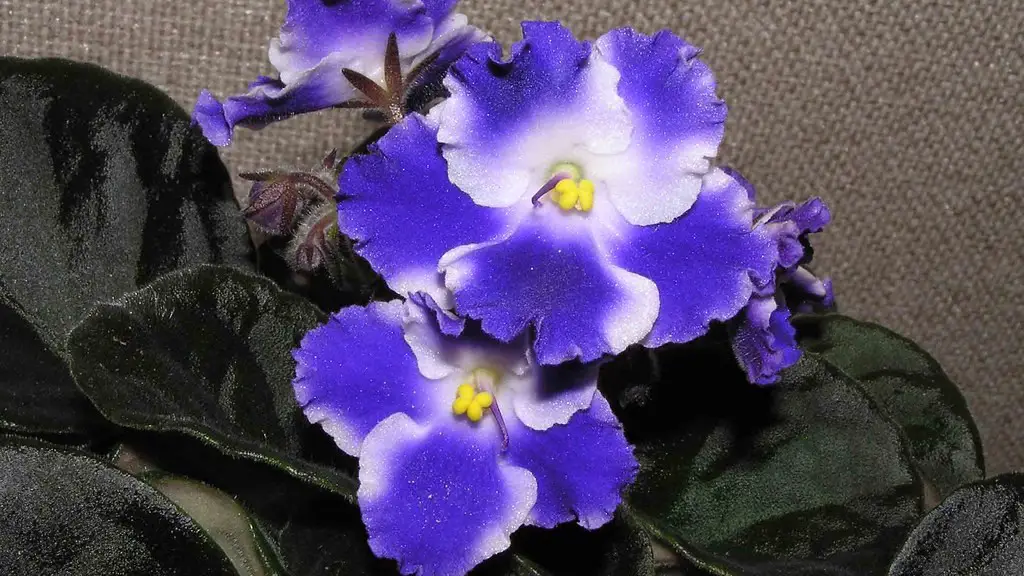
African violets are known for their long lifespan, and repotting them is important to keeping them blooming for years to come. McEnaney recommends repotting every two to three years, or whenever the plant becomes rootbound.
Can I water African violets with tap water
It is important to be aware of the quality of your tap water when growing African violets. Chlorine levels can fluctuate and in some areas tap water may have high amounts of chlorine, chloramines, or dissolved solids. These things may adversely affect your plants. If you are concerned about the quality of your tap water, you can use distilled or filtered water for your plants.
African violet plants are best watered from the bottom up. Place the plant in a shallow tray of water for 30 minutes to allow the soil to soak up the water through the drainage holes at the bottom of the pot.
Is it best to water African violets from the bottom?
When watering your plant, it is important to keep the soil moist to dry. Allowing the soil around the roots to dry out before watering will encourage blooming. When watering from the bottom, use room temperature water by placing the plastic grower’s pot in water, and allowing the plant to absorb the water ( not more than 30 minutes ).
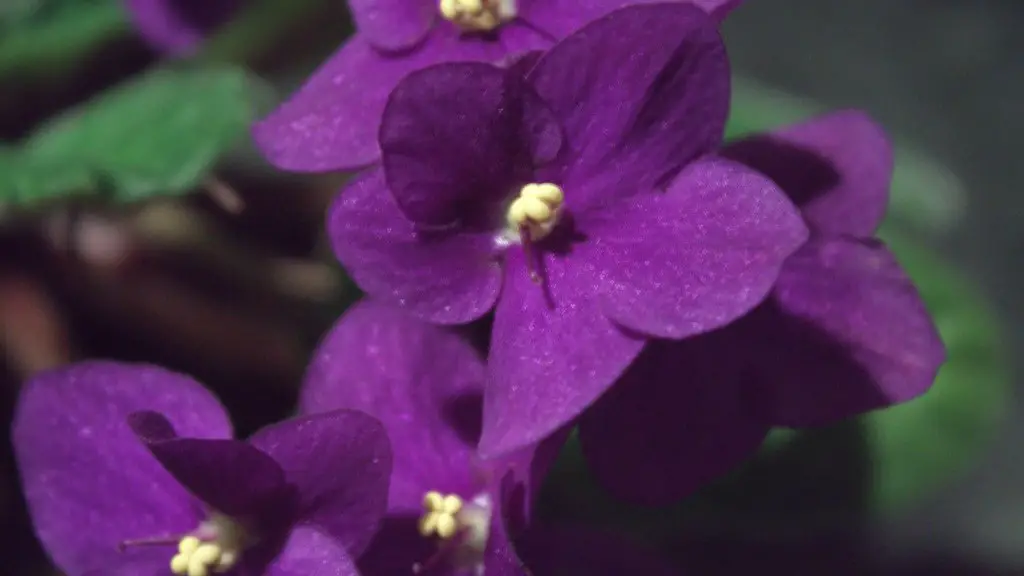
African violets are sensitive to cold water and this may create white rings (ring spot) on the leaves. To get around this, let tap water sit overnight before watering. This will also allow chlorine to evaporate. A light, porous potting mix is best for African violets.
How do you encourage African violets to bloom
If your African violet is not blooming, it is likely because it is not receiving enough light. African violets need indirect sunlight; direct sunlight can burn the leaves. Choose a north- or east- facing window for best results. Keep plants away from cold glass and rotate the pot once a week so all leaves receive light.
If you want your African Violet to stay healthy throughout the year, you need to fertilize it regularly. During the spring and summer, you should fertilize your African Violets once every 14 days. In the fall and winter, you shouldn’t fertilize the plant at all to prevent over-fertilizing.
How do I force my African violet to bloom?
If your African violet isn’t blooming, don’t despair! Try one or more of these 8 tricks to get it back on track:

1. Let There Be Light: African violets need at least 12 hours of light each day, so if yours is in a low-light spot, move it to a brighter location.
2. Turn Up the Humidity: These plants love moisture, so misting them daily or placing them on a pebble tray will help keep them happy.
3. Replenish Essential Nutrients: Use a African violet fertilizer every few weeks to give them the nutrients they need to bloom.
4. Keep it Pleasant: African violets prefer a temperature around 70 degrees Fahrenheit, so keep them away from drafts and heat sources.
5. Choose the Right Soil: African violets need a light, well-draining soil. If yours is too heavy, consider repotting with a potting mix specifically for African violets.
6. Protect From Pests & Disease: These plants are susceptible to common pests and diseases, so regular inspection and treatment is important.
7. Constrict the Roots: Once your African violet is about 3 years
terra cotta pots are ideal for african violets because the porous material allows the roots to breath better and prevents the soil from staying too wet. African violet roots don’t go very deep; they like to go sideways, so don’t use a deep pot. your pot must have suitable drainage holes so you can water from underneath.
Conclusion
African violets need bright, indirect light. They can tolerate some direct sun, but too much direct sun will burn their leaves.
African violets do best in bright, indirect light. The leaves of the plant are thin and fragile, so too much direct sunlight will scorch them. If you cannot provide bright, indirect light, you can grow African violets successfully under fluorescent lights.