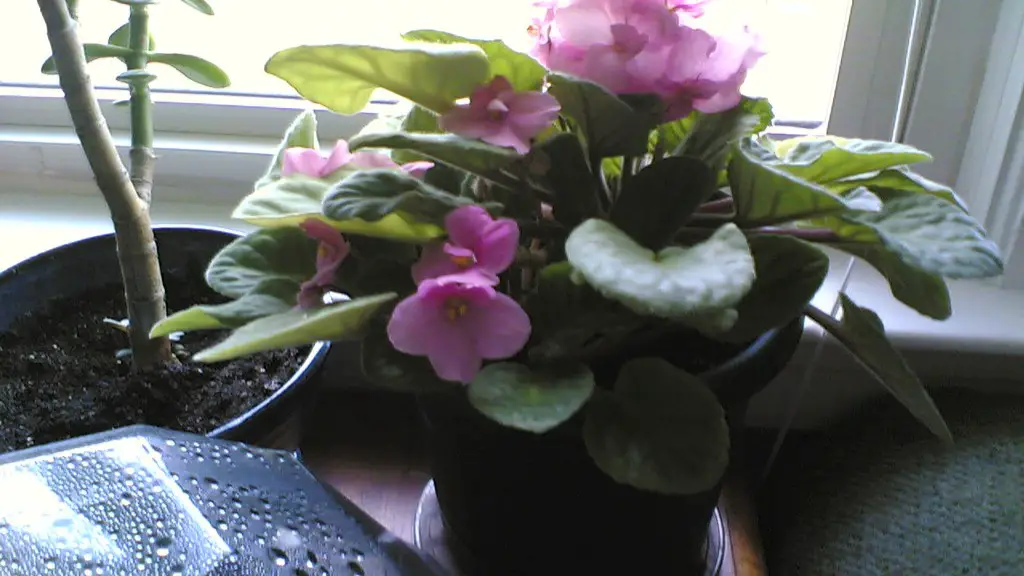
African violets are small, delicate flowers that are native to Africa. They have been cultivated for centuries and are now a popular houseplant in many parts of the world. African violets come in a wide range of colors, from deep purple to pale pink. Although they are small, they are tough plants and can tolerate a wide range of growing conditions. African violets are very easy to care for and make a great addition to any home.
Yes, African violets do have seeds. The seeds are small and black, and they are produced in a pod that grows on the plant.
How do you get seeds from African violets?
If you want to harvest the seeds from your plant, you will need to wait until the pod has fully matured. This usually takes about two months. Once the pod is mature, remove it from the plant and carefully crack it open to get the seeds.
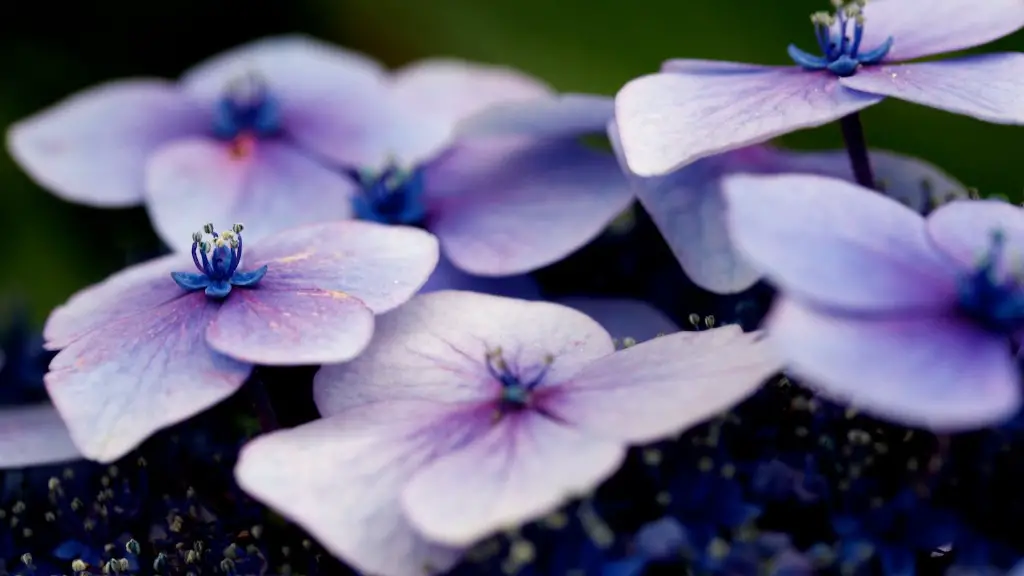
If you are planning to grow African violets from seed, you’ll be relieved to know that they are also relatively easy to grow from seed. While they do require a little more attention during the germination stage, starting African violets from seed is not a difficult or complicated task.
Do African violets have seed pods
A developing seed pod can be observed as a swelling at the base of the flower after the petals have faded and dried up. The seed pod should be left on the violet until it has turned brown and is completely dry as well as the stem that supports it. This will ensure that the seeds inside the pod are fully developed and mature. Once the pod is dry, it can be gently detached from the stem and the seeds can be collected.
If you’re looking to collect violet seeds, keep an eye out for the pale green seedpods. They should appear within a week or two of the last flowers, and will point downward at first. Once the seeds inside begin to ripen, the pods will turn tan and papery, and point upward.
Where is the seed of the African violet?
This is the glassine envelope that contains the seeds. You can see in the bottom corner here that there are a few seeds that have already fallen out. I’m not sure if that’s because the envelope was opened at some point or if the seeds are just old.
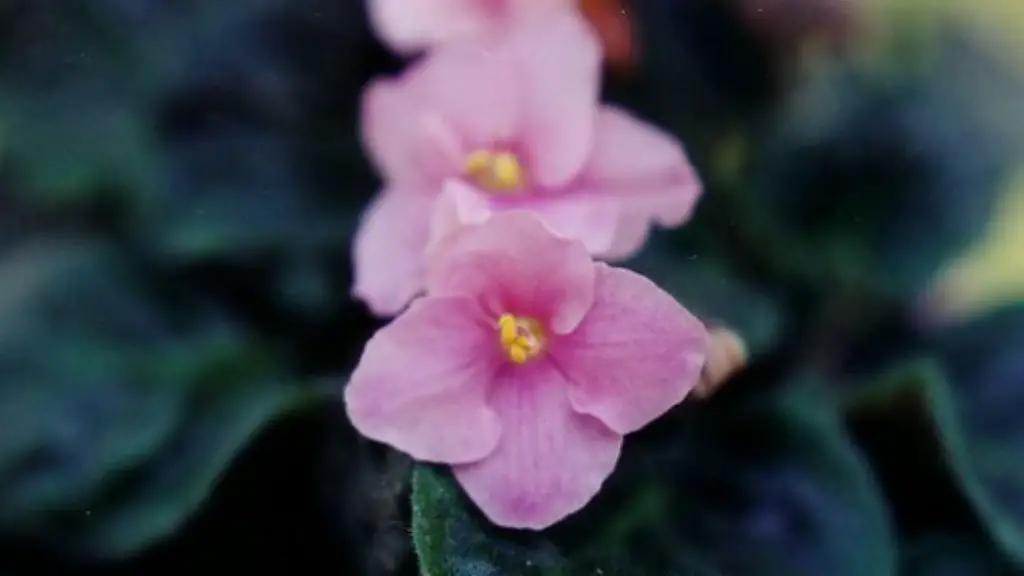
Some gardeners like to let violets self-sow in their garden beds, as this can create a lovely naturalized look. If you want to collect the seed, you can do so by placing small mesh bags over the developing seed pods. To sow the seed, fill pots with seed raising mix and keep the soil moist until the seedlings emerge.
Do African violets multiply?
Both African violets and rex begonias can be easily propagated from leaf cuttings. Simply take a leaf (or even just a part of a leaf) and stick it in a pot of soil. Be sure to have the pot of soil ready before taking the cutting, as a detached leaf will quickly wilt.
It’s important to repot your African violets every one to two years to keep them healthy and blooming. McEnaney recommends beginning to repot when the violets start to crowd their pot. “If you see violets blooming on the rim of the pot or if you see new plants sprouting up from the drainage holes, it’s time to give them some more room,” he says. He also suggests assessing the health of the roots when repotting. “If the roots appear to be tangled or matted, it’s time for a new pot,” he says. “If the roots are white and healthy-looking, the plant can stay in its current pot.”
Do violets spread by seed
Violets are incredibly hardy and have developed numerous ways to spread. They are most commonly spread by underground rhizomes, which are root-like structures that allow the plant to spread vegetatively. This means that new colonies can form without the need for seed production. Additionally, violets can spread by seed. Flowers near the soil surface that never really open are called cleistogamous or non-opening. These flowers self-pollinate and shoot seeds out to establish a new colony away from the parent.
African violets are a beautiful and popular plant, and they’re easy to grow from seed! Just sprinkle your seeds on top of a damp, peat-based potting mix, keep them warm and humid, and give them plenty of light. You should see tiny seedlings after 2-3 weeks, and after a month or two they should be tall enough to transplant into individual pots. With a little care, you’ll soon have a beautiful display of these lovely plants!
Do African violets only bloom once?
African violets typically bloom every 3-4 weeks with the right care. Each healthy flower will last 2-3 weeks. A happy plant can continue producing new blossoms regularly for 10-12 months out of the year.
Pinching or deadheading spent blooms on your African Violet will allow the plant to continue to put energy into creating more buds/blooms and beautiful foliage. This is an important step in maintaining the health and beauty of your African Violet.
What is the best way to propagate African violets
African violets can easily be propagated by leaf cuttings. To do this, select a firm, healthy leaf and cut it off with a sharp knife. Leave 1 to 1½ inches of the leaf stem (petiole) attached to the leaf blade. Fill a pot with a moistened 50:50 mix of vermiculite and coarse sand. Place the leaf cutting in the pot, making sure that the leaf blade is buried and the petiole is pointing up. Water the pot and place it in a warm, humid location. Within a few weeks, roots will form and new plants will start to grow.
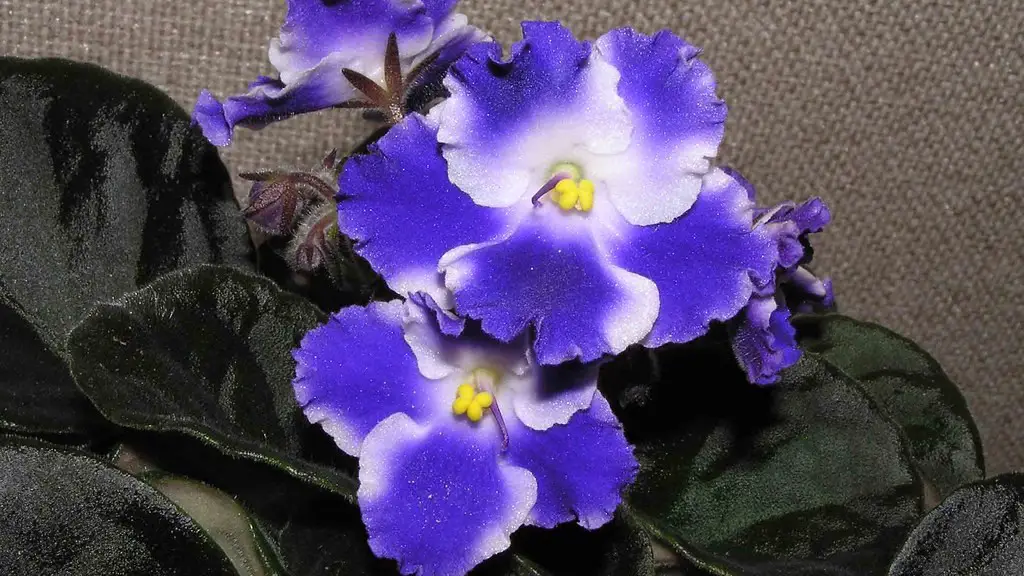
African violets are a beautiful and popular plant, and they’re easy to propagate from leaves. Simply choose a healthy, fresh leaf and cut the petiole (the stem) to about half to one inch in length. Plant the cutting in a sunny spot and soon you’ll see plantlets sprouting. Enjoy your new plants!
Where do violet seeds come from?
The best way to grow wild violets is to let mother nature do it for you. Scatter the seeds in the area you wish to grow them and watch for heart shaped leaves to emerge in spring or summer. The seeds of wild violets can be difficult to germinate, so this is the best method to ensure success.
African violets are a type of plant that can bloom nearly year-round. If you are able to provide the correct conditions, expect your African violets to bloom 10-12 months each year. Each bloom lasts for about 2-3 weeks.
Final Words
African violets (Saintpaulia) are a genus of 6–20 species of herbaceous perennial flowering plants in the family Gesneriaceae, native to Tanzania and adjacent southeastern Kenya in east tropical Africa. A member of the Saintpaulia genus, African violet was formally described by Scottish botanist Robert Brown in 1810. The flowers of African violets (Saintpaulia spp.) typically have five petals. African violets are not violets at all; they are African Gesneriads. They are closely related to tradescantia and assets and share many characteristics with these genera. The flowers of African violets (Saintpaulia spp.) typically have five petals and are 2.5–5 cm wide, with a base color that is usually deep violet, purple, or lavender, and frequently have one or more white, yellow, or pale green “eyes”, or centers.
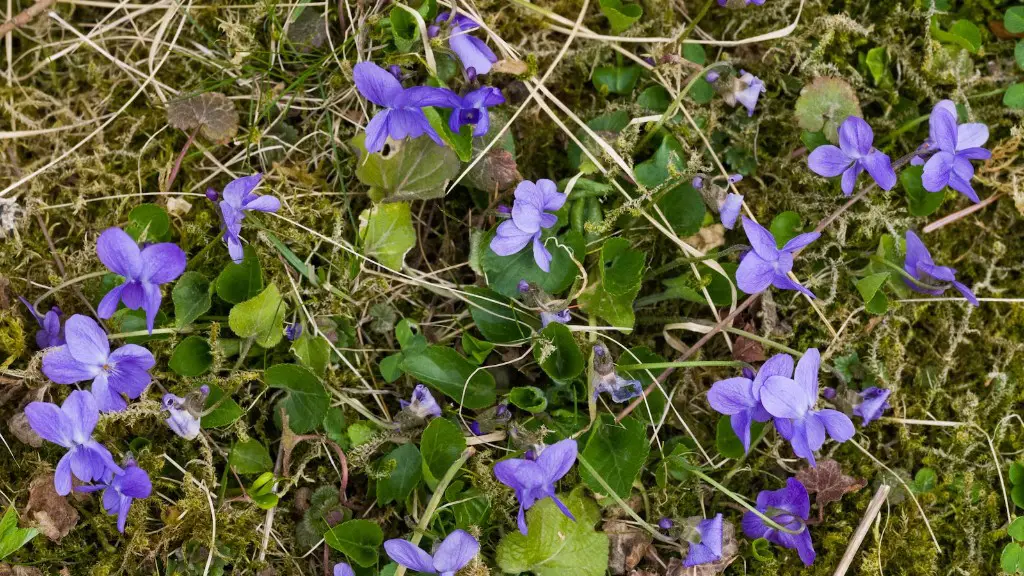
No, African violets do not have seeds. They are propagated by leaf cuttings, which is how new plants are produced.