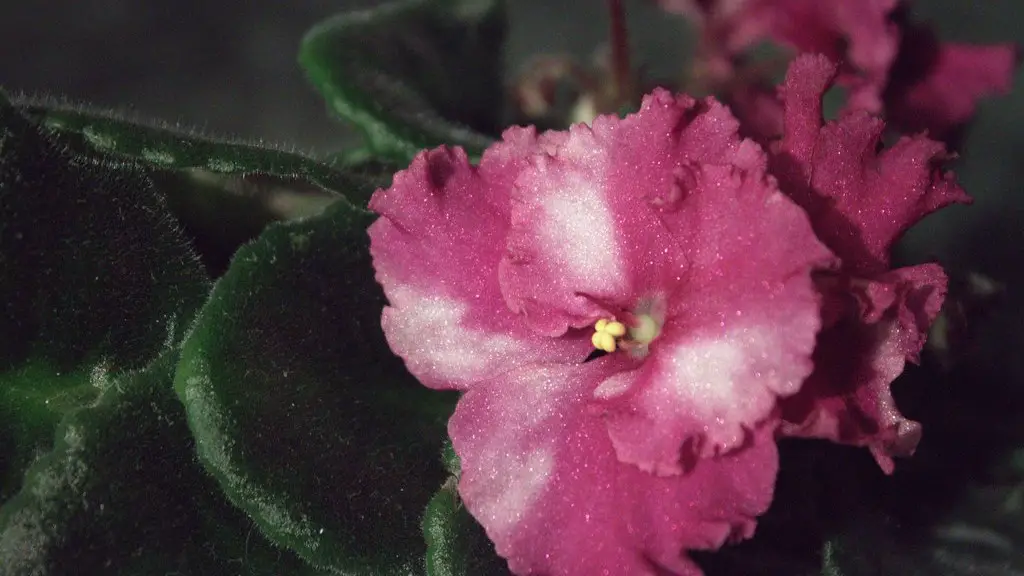
No one is exactly sure where wild African violets come from. Some say they are native to Africa, while others believe they are native to a small island off the coast of Africa. Either way, these violets are not commonly found in the wild.
No, there are no wild African violets.
What do wild African violets look like?
Wild violets are a beautiful flower that blooms in the springtime. They come in a variety of colors, from white and light purple, to dark purple and even yellow. They have low-growing, waxy leaves that are dark green and shaped like a heart.
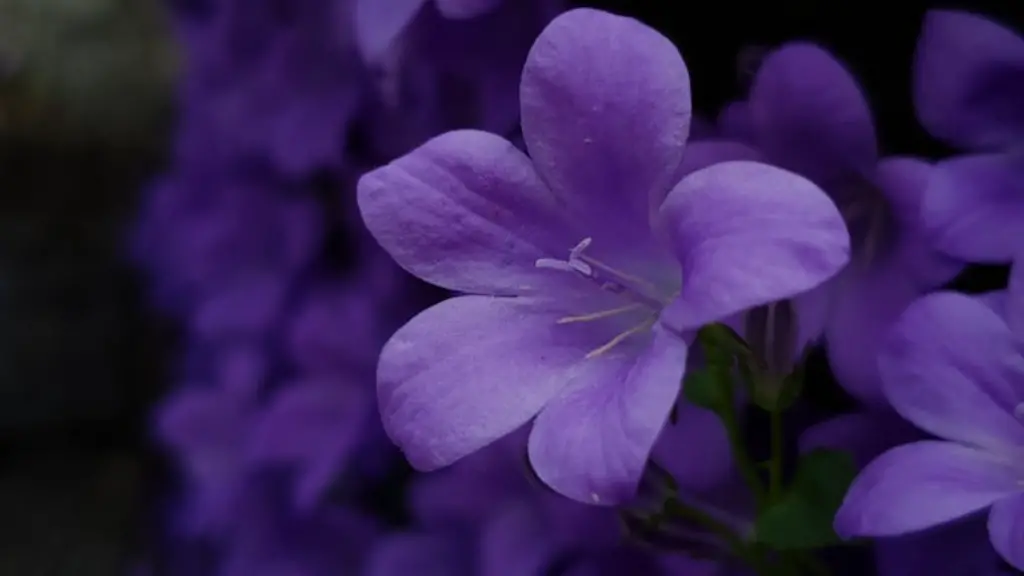
African violets (Saintpaulia ionantha) are native to rainforests in the mountains of eastern African countries like Tanzania. They are low-growing plants, thriving in the shade of other vegetation. In their native environments, direct light never touches their leaves. African violets need very little water and can tolerate long periods of drought.
Where do violets grow wild
The native violet, Viola sororia, is a perennial flower that prefers living conditions in full sun or partial shade and moist/medium soil. Hence, it is common to find them along forest roads, open woods, and in lawns.
Harvesting wild violet leaves can be a great way to add some extra flavor to your dishes. However, it is important to be careful when picking these leaves, as they can easily be confused with other non-edible plants. If you are unsure about which leaves are safe to eat, it is best to stick with the sure bet and only harvest the violet flowers. These can be used to garnish salads or flavor vinegar and syrup.
What looks like wild violets?
Be aware of lesser celandine (Ficaria verna) which is toxic. It has yellow flowers that don’t resemble wild violets at all, but it has very similar heart-shaped leaves.
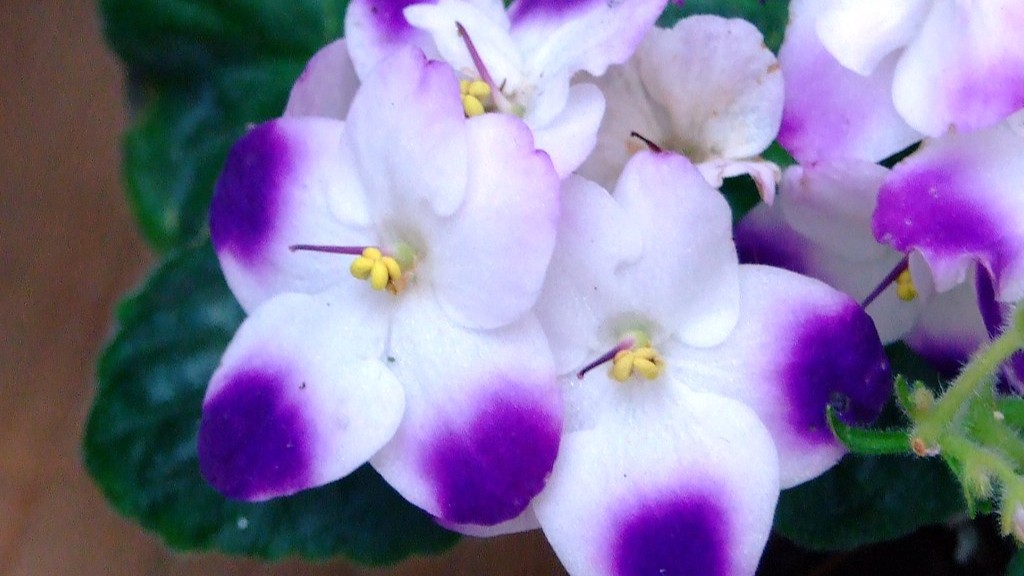
We encourage you to embrace the Wild Violets in your lawn. These short flowers are native to the entire continental United States, as well as southern Canada. They were growing in our forests long before turf grass was planted. With their waxy leaves, few weed killers work well against them.
How long do African violets live?
It’s important to repot your African violets every two to three years to ensure that they continue to thrive. This will refresh the soil and give the roots room to grow.
African violets are beautiful flowers that have a long history of symbolism associated with them. In many cultures, they are seen as a symbol of devotion, commitment, and faithfulness. Whether you are giving them as a gift to someone special or simply enjoying their beauty in your own home, they are sure to bring a touch of sweetness and beauty to your day.
What is the secret to growing African violets
East- and north-facing windows don’t provide enough light for most plants. If you must put a plant in one of these locations, choose a low-light plant that doesn’t require as much sun, such as a bamboo palm or a snake plant.
Violets are a type of flower that gets its scent from ionone. Many people describe the scent as being very sweet and also dry. The word “powdery” is often used to describe the scent.
What are wild violets called?
Wild violets can be a beautiful addition to any garden or landscaping design, but they can also be a very aggressive and difficult to control weed. If you are considering adding wild violets to your garden or landscape, be sure to research their behaviour and how to control them before making any decisions.
The common blue violet is a beautiful flower that can be found in many different areas of North America. This flower is known for its unique color and for its ability to grow in many different types of environments. The common blue violet is a great addition to any garden or home, and can be a beautiful addition to any natural setting.
Can you pull wild violets
Hand weeding is a great way to get rid of wild violets without harming the plant. Pull up the plants in the spring and summer when they are growing the most. Be sure to dampen the soil before you start weeding so the roots can come out easily. Use a hoe or another weeding tool to help you pull up the entire root system.
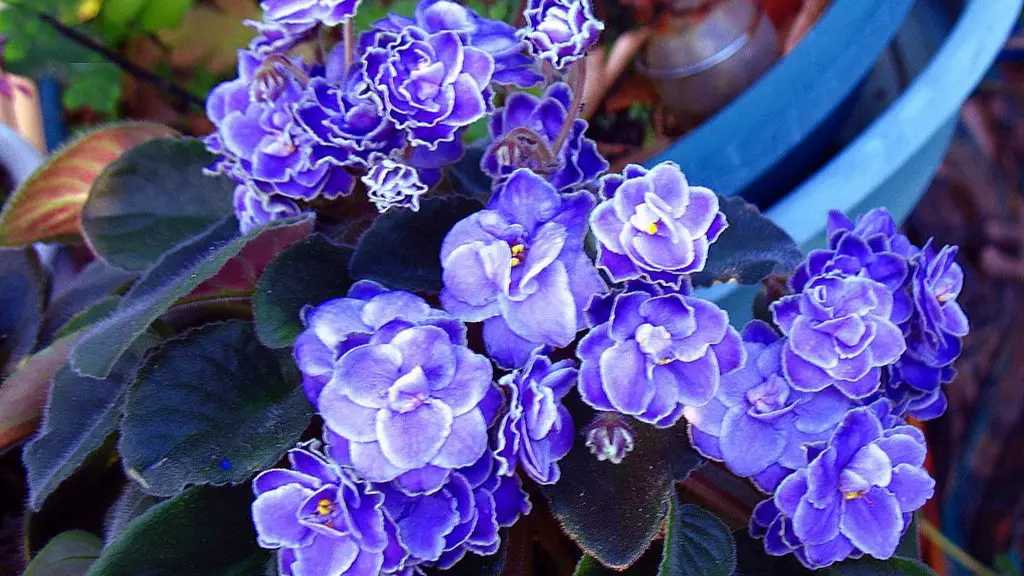
These plants are not poisonous or there is no known record of toxicity. They are safe to grow and can be enjoyed without worry.
What animal eats wild violets?
Violets are a popular food for many animals, including grouse, juncos, mourning doves, small mammals, and wild turkeys. The roots of violets are especially tasty to deer and cottontail rabbits, while the foliage is a favorite food of many other animals.
Creeping Charlie, also known as ground ivy, is a common lawn weed that can be difficult to control. It has small, round, scalloped leaves that are dark green in color. Wild violet, on the other hand, has heart-shaped leaves with sawtooth-like serrations on the edges. The best way to tell them apart is to look closely at the leaves.
Warp Up
There are african violets that grow in the wild, however they are not as common as the ones that are cultivated.
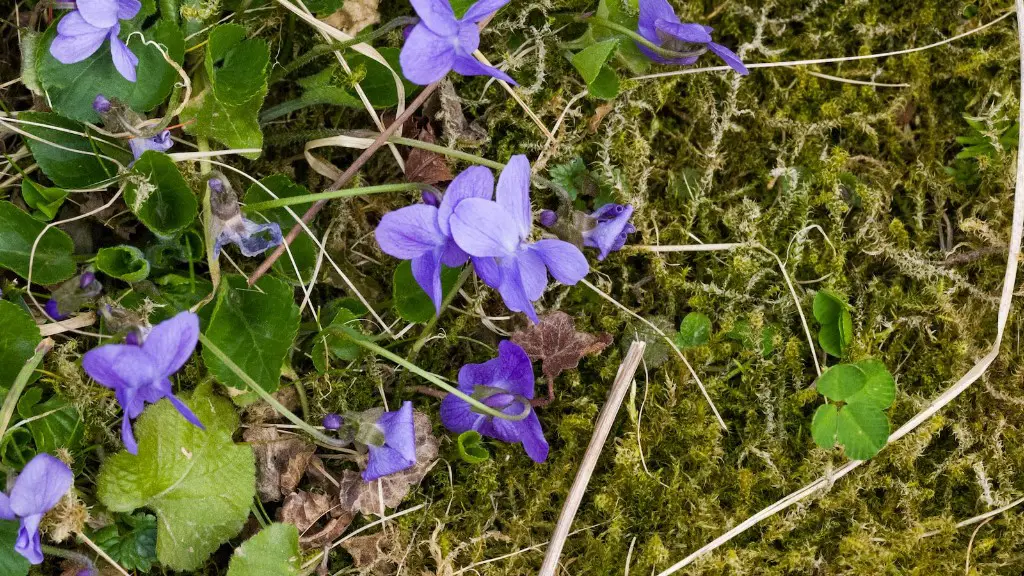
Desert violets are the only species of wild violet known to occur in Africa. They are small, delicate flowers that grow in arid, sandy regions. These violets are incredibly hardy and can survive in extreme conditions.