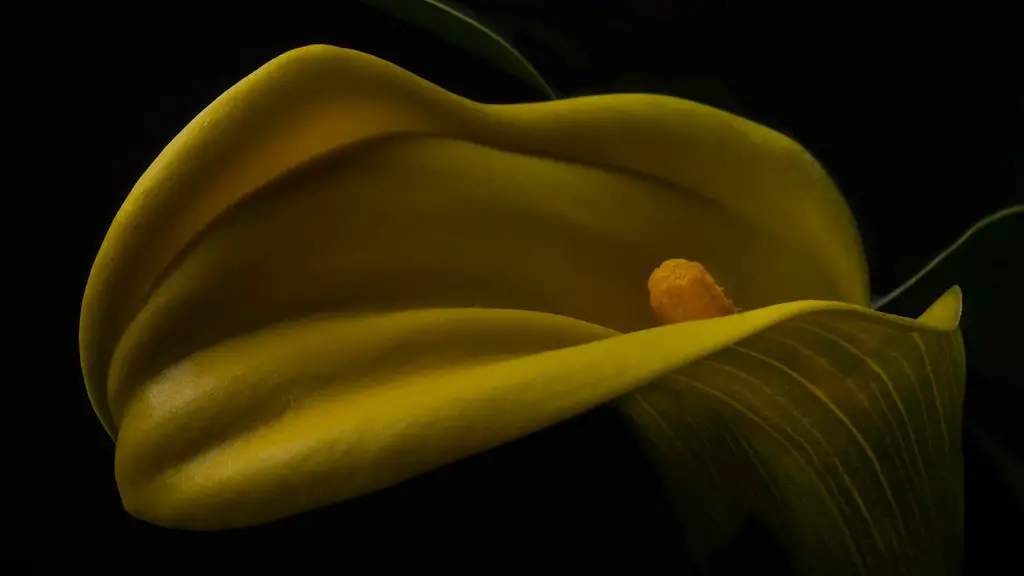
If you notice that your calla lily is turning green, it could be due to a few different reasons. The most common reason is that the plant is not getting enough sunlight. Calla lilies need at least six hours of sunlight per day, so if yours is not getting that much, it could start to turn green. Another possibility is that the plant is getting too much water. If the soil is constantly moist, it can cause the calla lily to turn green. Be sure to check the soil before watering and only water when the top inch or two is dry. Over-fertilizing can also cause the calla lily to turn green, so be sure to use a light hand when applying fertilizer. If you are not sure what is causing the greening, you can always take a sample of the plant to your local garden center for diagnosis.
The main reason why your calla lily is turning green is because it is not getting enough sunlight. Calla lilies need at least six hours of sunlight per day, so if it is not getting that much, it will start to turn green. Another reason could be that the soil is too rich in nitrogen, which can also cause the leaves to turn green. If you think this is the case, you can try removing the plant from the pot and replanting it in fresh soil.
How do you keep yellow calla lilies yellow?
If your calla lilies are turning yellow, it might mean that they’re not getting enough light. Try moving them to a brighter spot and see if the leaves return to green.
Calla lilies are a beautiful and popular flower that can add a touch of elegance to any garden. They are relatively easy to care for and can be grown in a wide range of climates. In warm climates, calla lilies grow well in full sun or partial shade. In cooler areas they grow best in full sun. Calla lilies are winter hardy in zones 8-10. In colder areas they can either be grown as annuals or can be dug up in the fall and stored indoors for replanting the next spring.
How can you tell if a calla lily is overwatered
If your calla lily plant is wilting and the leaves are turning yellow, it is likely because the roots are waterlogged. Too much moisture causes the roots to begin rotting, along with contracting other diseases, and will eventually kill the plant. Allow the soil to dry out between watering, and make sure the plant has good drainage. If the problem persists, you may need to replant the calla lily in fresh, dry soil.
Callas are a type of perennial plant that can remain in the ground year-round in mild climates. They may even remain green year-round, depending on winter temperatures and sun exposure. Extreme heat or cold can damage or kill the rhizomes, so they may not return the next year.
How often should you water calla lilies?
Don’t water your calla lilies too heavily, especially after initially planting them. Once the rhizomes are established, you can water the plants once a week, or more frequently if experiencing especially hot or drought-like conditions.
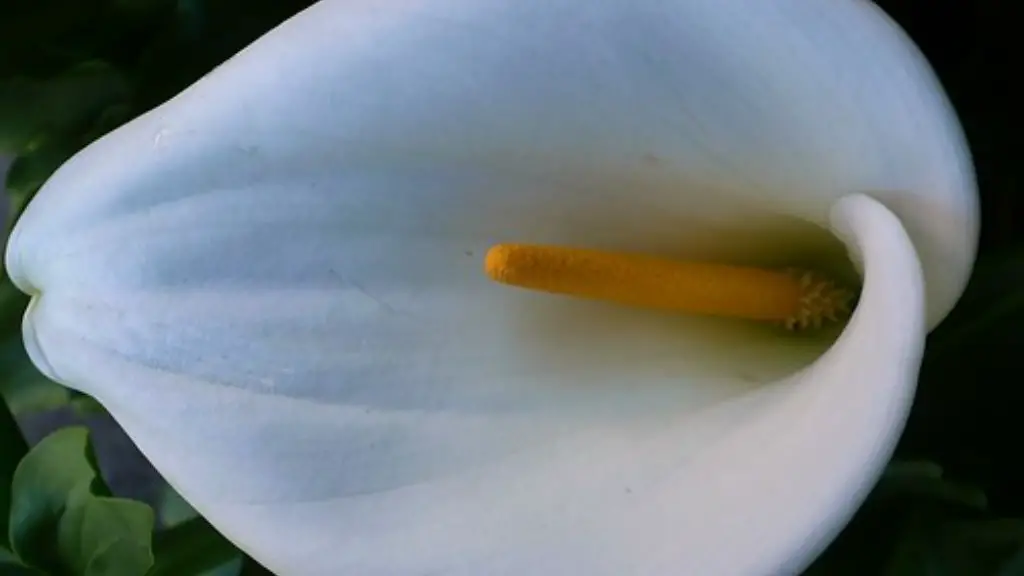
The plant usually blooms for about six weeks during the late spring and early summer but may bloom at any time when indoors. Keeping the plant root bound encourages more flowers.
Do calla lilies grow better in pots or in the ground?
Calla lilies are a beautiful addition to any garden, and they have the added benefit of being relatively easy to care for. One of the greatest benefits of growing calla lilies in pots is that they will never become invasive, as they can in garden beds in their ideal climate. Calla lilies are also relatively drought tolerant, making them a low-maintenance option for busy gardeners.
Callas make great houseplants and can be grown all year round. They also make great summer annuals and can be grown in outdoor pots or in the ground. If you want to keep them for another year, you will need to dig them up and store them dormant inside.
Can calla lilies stay potted
This hot pink calla lily can persist for up to 12 weeks, offering long-lasting color in containers or beds. Keep container-grown plants potbound to encourage more blooms. Velvety deep crimson spathes lend understated elegance to borders, pots and indoor decor. Flowers are long-lasting in cut bouquets.
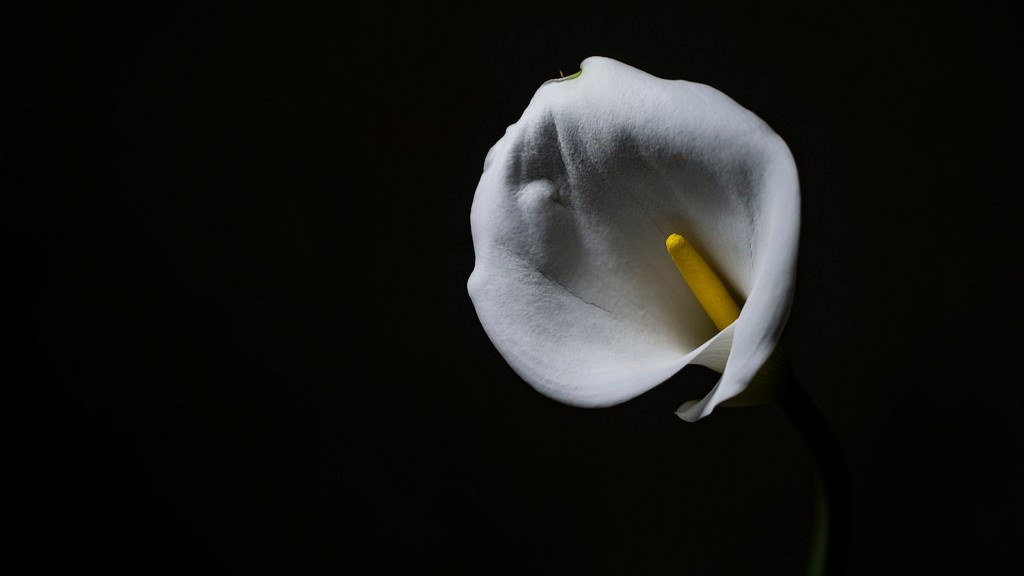
Calla lilies are unique in that they don’t drop their petals like other plants when their flowers are done blooming. Instead, the flower begins to die and roll up into a tube, often turning green on the outside. These spent blossoms on calla lily plants are no longer needed and should be clipped off.
Why do calla lilies cry?
Guttation is a condition where a plant “sweats” or releases water droplets from the tips of its leaves or stems. This is different from normal transpiration, which is the evaporation of water from the plant’s leaves.
Guttation usually occurs when a plant is over-watered, and the roots are under pressure from the saturated soil. This pressure forces the plant to exude its excess moisture (and nutrients) in the form of sap.
If your plant is guttating, try cutting back on watering. This will reduce the pressure on the roots, and the plant should stop releasing sap.

After you have planted your calla lilies, resist the urge to water them too heavily. The rhizomes need time to establish themselves before they can handle a lot of water. Once they are established, you can water the plants once a week, or more frequently if necessary.
What do the colors of calla lily mean
Calla lilies come in a variety of colors, each with its own meaning. White calla lilies represent innocence, while yellow blooms symbolize gratitude. Pink calla lilies show appreciation and admiration, and purple blooms signify passion. Black calla lilies are given to convey the idea of mystery and elegance.
Provide the Calla Lily with bright, indirect sunlight, and water regularly so that the soil stays moist but not soggy. Allow the top inch of soil to dry out in between watering. The ideal temperature range for this plant is between 60 and 75 degrees Fahrenheit. Consider placing a humidity tray under the pot to increase the moisture in the air around the plant. Fertilize monthly with a general-purpose houseplant fertilizer.
How do you take care of potted calla lilies in the winter?
Mulching and stopping watering are the only two winter care steps needed for calla lilies growing in the ground in warm climates. This will allow the plant to go dormant and rejuvenate itself.
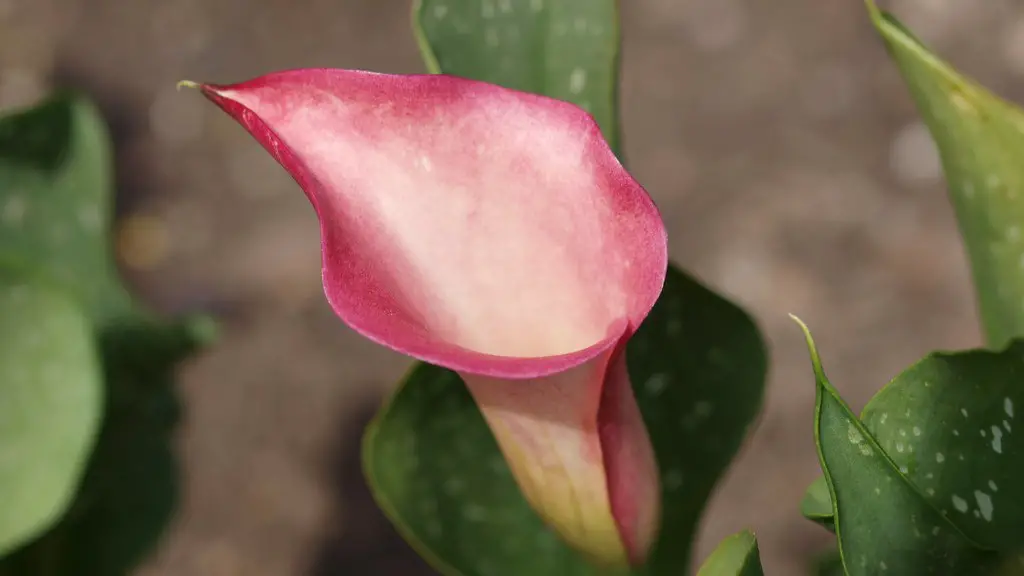
If you notice your calla lily looking limp, it may be a sign that the soil is oversaturated. This can happen from excessive rainfall, poor drainage, or overwatering. If not remedied, the roots may rot and the plant may die.
How long do calla lilies last
To ensure that your calla lilies stay fresh for as long as possible, you should handle them with care and avoid bruising the blooms. They are available year-round, but will typically stay fresh for 7-10 days.
If you have a potted calla lily, you can actually save it and it will bloom again next year. Many people treat their calla lilies as annuals, but they are actually perennials. So, if you want to keep your calla lily around for next year, don’t toss it out when the blooms are done.
Warp Up
There are a few reasons why your calla lily might be turning green. One possibility is that it is not getting enough sunlight. Calla lilies need at least six hours of sunlight per day in order to stay healthy. Another possibility is that it is not getting enough water. Calla lilies need to be watered about once a week, or more often if they are in a pot that drains quickly. Finally, it is possible that your plant is getting too much fertilizer. Calla lilies do not need a lot of fertilizer, and too much can actually harm the plant. If you think your calla lily is suffering from any of these problems, try making some adjustments and see if the plant starts to improve.
There are a few reasons why your calla lily might be turning green. One reason could be that it isn’t getting enough sunlight. Calla lilies need at least six hours of sunlight each day, so if yours isn’t getting that much, it could start to turn green. Another reason could be that you’re overwatering it. If you’re watering your calla lily every day, or even every other day, that could be too much and could cause it to turn green. Finally, it could be a lack of nutrients. If your plant isn’t getting enough nutrients from the soil, it could also start to turn green.