
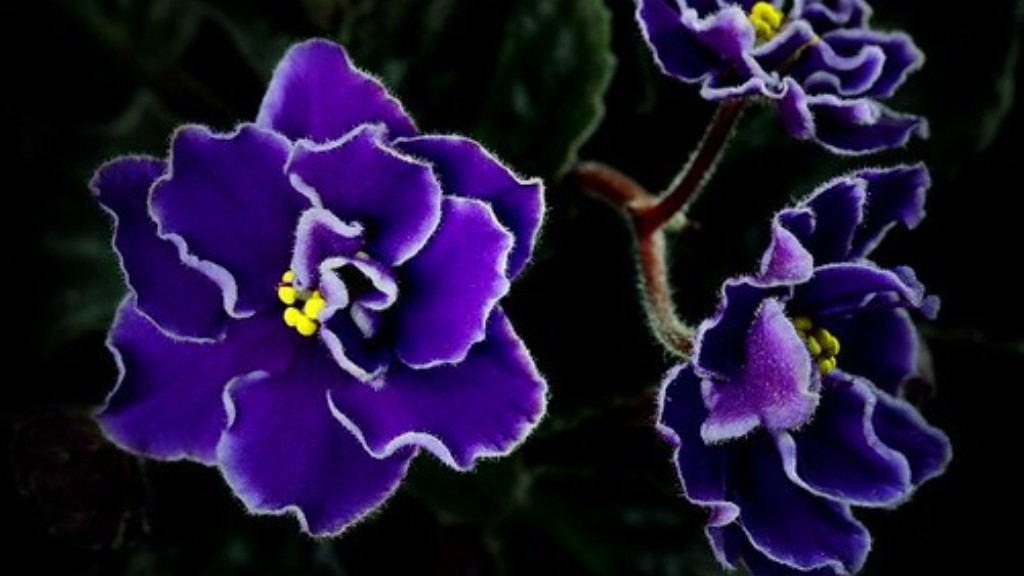
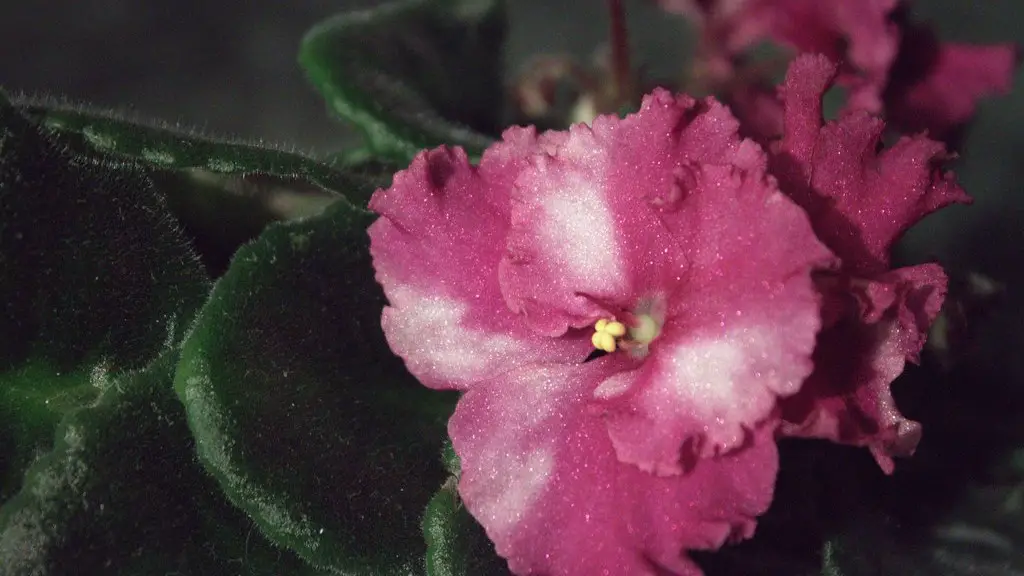
African violets are a type of plant that does not need direct sunlight in order to grow. These plants prefer indirect or filtered light and will often bloom more flowers when they are not in direct sun. African violets are popular houseplants and can be found in many homes.
No, African violets do not need sun. They are best kept in a location with bright, indirect light.
Where is the best place to put an African violet?
For the best color and blooms, grow plants in bright, indirect light. An plant stand three feet away from a west- or south-facing window is an ideal location. Plants will still grow when situated right beside north- or east-facing windows, but leaves will be thin and spindly, and plants less likely to bloom.
A wicking system is a great way to make sure your African violets are never over watered. Simply water the plant once a week and allow the plant to completely dry out between waterings. The wicking system will help to keep the roots of the plant moist, but not wet, which will prevent the plant from getting too much water and suffering from root rot.
How much sunlight does African violet need
African violets require bright light during the day in order to thrive. They need at least 8 hours of light per day and at least 8 hours of darkness per night. For long lasting blooms, 12 hours a day of natural sunlight is ideal.
African violets are a type of plant that is known to bloom brightly and then go into a dormant state. In order to get your African violet to bloom again, there are a few things you can do.
First, let there be light. African violets need a lot of light in order to bloom, so make sure to place them in a bright spot. Second, turn up the humidity. These plants come from humid environments, so they will need extra moisture in the air in order to bloom.
Third, replenish essential nutrients. African violets need a lot of nutrients in order to bloom, so make sure to fertilize them regularly. Fourth, keep it pleasant. African violets need to be in a comfortable environment in order to bloom, so make sure the temperature and humidity are both at comfortable levels.
Fifth, choose the right soil. African violets need a soil that is rich in nutrients and has good drainage. Sixth, protect from pests and disease. These plants are susceptible to pests and disease, so make sure to keep an eye out for any problems. Seventh, constrict the roots. African violets need to have their roots constricted in order to bloom,
Do African violets need bigger pots?
African violets do best when they are slightly pot-bound, so choose a pot that’s on the smaller side. This will help to encourage flowering and prevent the plant from becoming too leggy. Professional Tip: If you have a standard African violet plant, your starter pot should be about 3-4 inches in diameter.
It is important to water African violets carefully, as they are susceptible to crown rot. Do not mist the foliage, as this may cause permanent leaf spotting. Use room-temperature water, and water the crown (the section of the plant at soil level) carefully to avoid saturating it.
Can I water African violets with tap water?
According to the African Violet Society of America, in most locations tap water is fine for African violets. However, the quality of tap water can vary and chlorine levels may fluctuate, depending on the season. In some areas, tap water may have high amounts of chlorine, chloramines, or dissolved solids. All of these things may adversely affect your African violets. If you are concerned about the quality of your tap water, you can try using distilled water or rainwater instead.
When you notice that your African violet is becoming pot bound, or the leaves are wilting, it’s time to repot. Choose a container that is only slightly larger than the current pot and has drainage holes. Be sure to use a well-drained potting mix that is designed for African violets. Water thoroughly after repotting and apply a balanced fertilizer.
Can you spray water on African violets
Spraying African Violet leaves with water and then cleaning them with your fingers is an effective way of getting rid of dirt and dust. You can also use a spray bottle filled with liquid soap to clean the leaves, but make sure the soap is room temperature or tepid so as not to damage the leaves.
African Violets are a type of plant that need fertilizer to stay healthy throughout the year. During the spring and summer, African Violets should be fertilized once every 14 days. In the fall and winter, African Violets shouldn’t be fertilized at all to prevent over-fertilizing.
What is the best way to water African violets?
The best way to water an African violet plant is from the bottom up. Place your plant in a shallow tray of water for 30 minutes, allowing the soil to soak up the water through the drainage holes at the bottom of the pot. African violets are native to tropical Africa and like to be kept moist, but not wet. They are also known to be finicky about their watering, so it’s best to err on the side of too little water rather than too much.
African violets can bloom nearly year-round if you are able to provide the correct conditions. Each bloom lasts for about 2-3 weeks, so expect your African violets to bloom 10-12 months each year.
What is the secret to growing African violets
African violets need indirect sunlight. Direct sunlight can burn the leaves. Choose a north- or east- facing window for best results. Keep plants away from cold glass and rotate the pot once a week so all leaves receive light. Extend daylight by placing African violets under a grow light during winter months.
African violets are beautiful plants that prefer bright, indirect light. They should be kept away from direct sunlight to avoid burning their sensitive foliage. An east- or north-facing window gives them the best lighting without the risk of burning. Artificial lighting works well, too.
Does Epsom salt help African violets bloom?
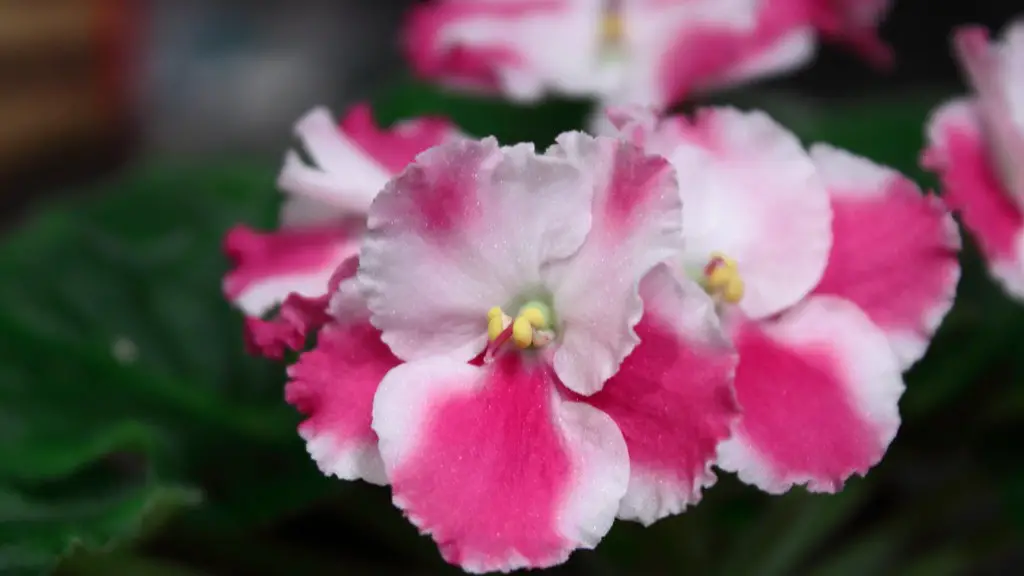
Epsom salts are great for providing plants with essential magnesium and sulfur. These two minerals are needed in order to produce beautiful blooms and healthy foliage. All you have to do is mix one and a half teaspoons of Epsom salts in a quart of tepid water and swirl to dissolve. Then, water your African violets (below the leaves) with this solution once a month.
If you’re looking to pot African violets, terra cotta is an ideal material to use. The roots of African violets don’t go very deep, so a shallow pot is best. The porous material of terra cotta allows the roots to breath better and prevents the soil from becoming too wet. Be sure to include drainage holes in the pot so that you can water from underneath.
Warp Up
African violets need bright, indirect sunlight. They can tolerate some direct sun, but too much will scorch their leaves.
After doing some research on the matter, it seems that African violets do in fact need sun. They need about 6 hours of sun per day, and they prefer indirect sunlight. So if you’re looking to grow African violets, make sure you have a spot in your home that receives enough sun!