Although African violets (Saintpaulia ionantha) are not true violets, they are popular houseplants because of their ease of care and bloom production. African violets typically propagated by leaf cuttings, but they can also be grown from seed. Growing African violets from seed is not difficult, but it is a slower process than propagating by leaf cuttings. African violet seeds are very tiny, so it is important to use a sterile seed-starting mix and sterile seed-starting equipment.
The answer is yes, African violets do produce seeds. The seeds are very small and fine, and are typically spread by wind.
How do you get seeds from African violets?
If you want to harvest the seeds from your plant, you need to wait for the pod to form. It takes about two months for the pod to fully mature. After two months, remove the pod from the plant and carefully crack it open to harvest the seeds.
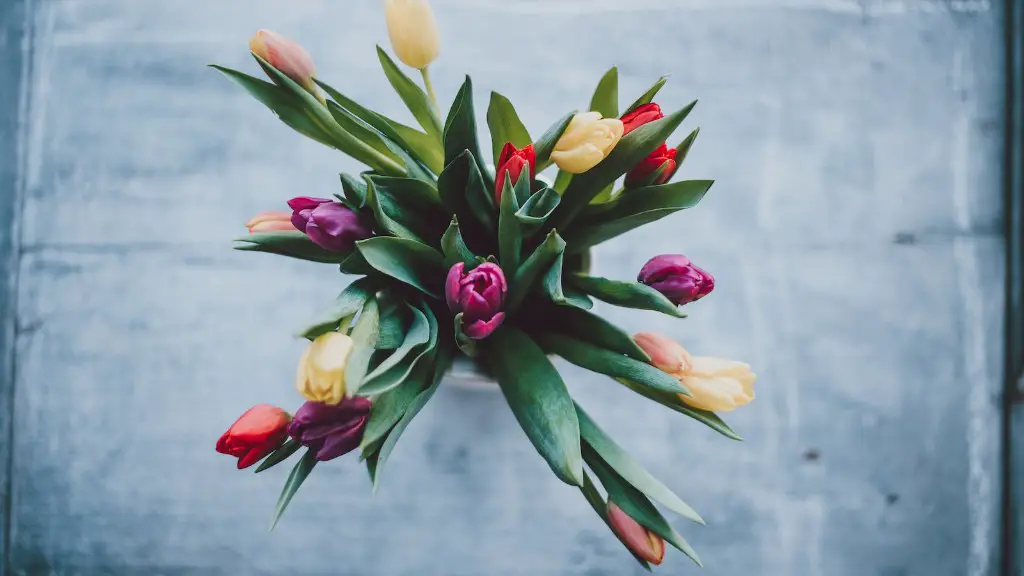
This is the glassine envelope that contains the seeds. You can see in the bottom corner here that there are a few different kinds of seeds in this envelope. This is a great way to store your seeds, and it’s also a great way to keep them organized.
Do African violets make seed pods
A developing seed pod can be observed as a swelling at the base of the flower after the petals have faded and dried up. The seed pod should be left on the violet until it has turned brown and is completely dry as well as the stem that supports it. This will ensure that the seeds inside the pod are mature and will be able to germinate when planted.
If you’re interested in collecting violet seeds, you’ll need to keep an eye on the plants for a few weeks after the flowers have faded. The seedpods will be a pale green color and about half an inch long, and they’ll hang down from the plant until the seeds inside are ripe. at which point the pods will turn tan and papery, and point upwards.
Are violets self seeding?
If you’d like your violets to self-sow, you can place small mesh bags over the developing seed pods. Once the seeds are collected, sow them into pots filled with seed raising mix and keep moist until seedlings emerge.

African violets are a beautiful and popular houseplant. They are easy to grow from seed, and with a little care and attention, you can have a beautiful display of these lovely flowers in no time.
To get started, you will need to purchase some African violet seeds. You can find these at most garden centers or online. Once you have your seeds, you will need to prepare a pot or pots for planting. African violets do best in a peat-based potting mix that is kept moist but not soggy.
Once your pots are ready, sprinkle the seeds on top of the potting mix and then mist lightly with water. It is important to keep the seeds warm and humid, so if you can, place them on a heat mat or near a source of warmth. You can also cover the pots with a clear plastic dome or bag to help maintain humidity.
Place the pots in a location where they will receive bright, indirect sunlight. A grow lamp can also be used if natural sunlight is not available. Keep an eye on the seeds, and after 2-3 weeks, you should see tiny seedlings emerging.
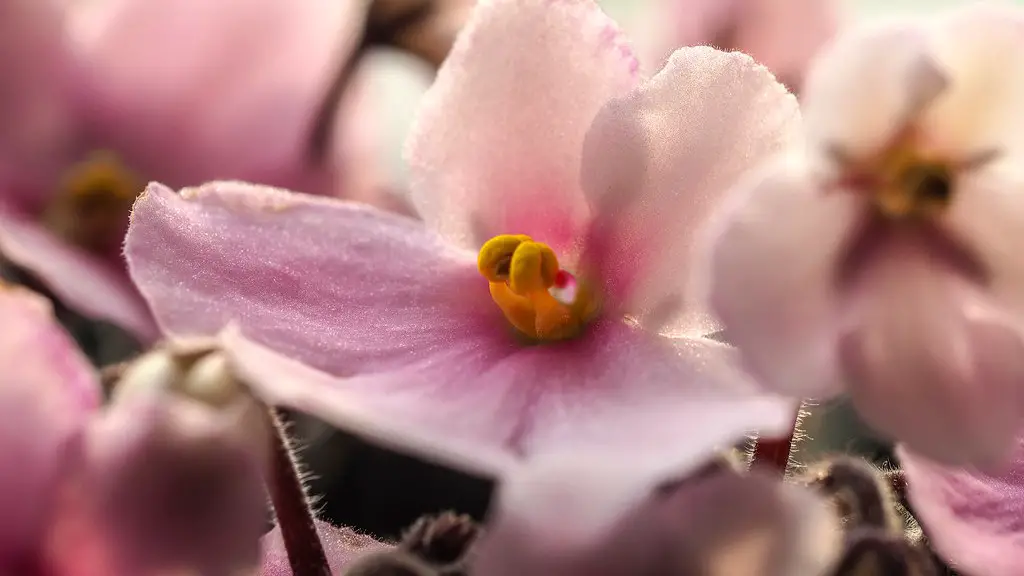
After a month or two, the seedlings will be tall enough to transplant
Do African violets multiply?
1. African violets and rex begonias both multiply readily from leaf cuttings.
2. Use whole or even parts of leaves to propagate either of these plants.
3. Because a detached begonia or African violet leaf wilts quickly, always have your pot of soil ready before you take the cutting.
Violets are a type of flower that have developed numerous ways to spread. They spread by underground rhizomes and may form vegetative colonies. They also spread by seed. Flowers near the soil surface that never really open, called cleistogamous or non-opening, self-pollinating, shoot seeds out to establish a new colony away from the parent.
How long does it take for African violets to bloom from seed
If you’ve been growing your African violets from seed, you can expect to see the first blooms appear anywhere from 6 to 9 months after planting. The amount of time it takes can vary depending on the growing conditions, but violets that have the right amount of water, light, and temperature tend to develop more quickly. With proper care, you can enjoy these beautiful flowers for many years to come.
African violets are a type of plant that can bloom nearly year-round with the right care. Each healthy flower will last two or three weeks. A happy plant can continue producing new blossoms regularly for 10 to 12 months out of the year.
Do African violets only bloom once a year?
African violets are a type of flower that blooms continuously, even during the winter months. They are known for their beautiful colors and velvety texture. You can place African violets throughout your house to enjoy their beauty year-round. Taking care of African violets is easy once you get into a regular routine.
African violets are fairly easy to propagate from leaves. Choose a healthy, fresh leaf from an established plant and cut the petiole (the stem) to about ½ to 1 inch in length. Place the cutting in a sunny spot, and new plantlets should sprout within a few weeks.
Where do violet seeds come from
Wild violets are a beautiful addition to any garden, and their seeds can add a touch of whimsy and charm. Though these seeds can be difficult to germinate, it is often best to let nature take its course. Simply scatter the seeds in the area you wish to see them grow, and then keep an eye out for heart shaped leaves emerging in the spring and summer. With a little patience, you will soon have a lovely wild violet patch of your own!
To ensure that your seeds will germinate properly, it is best to start them 8 weeks before planting them outside. Lightly cover the seed and provide total darkness and normal room temperatures. The seeds should germinate in 10-20 days. You may also be able to directly seed the garden in early spring or early autumn.
How do you multiply violets?
Violet leaves can also be propagated by placing the stem into water until roots begin to grow. Select a healthy leaf and remove it from the plant by toggling it from side to side until it pulls free. Avoid pinching or bruising the leaf as this may lead to rotting.
Rooting African violets in water using a leaf is the quickest and easiest way I’ve found. You can take the leaf from your existing African violets, or even from a friend’s plant.
Warp Up
No, African violets do not make seeds. Instead, they reproduce through offsets, which are small plantlets that form on the side of the mother plant.
No, African violets do not make seeds.