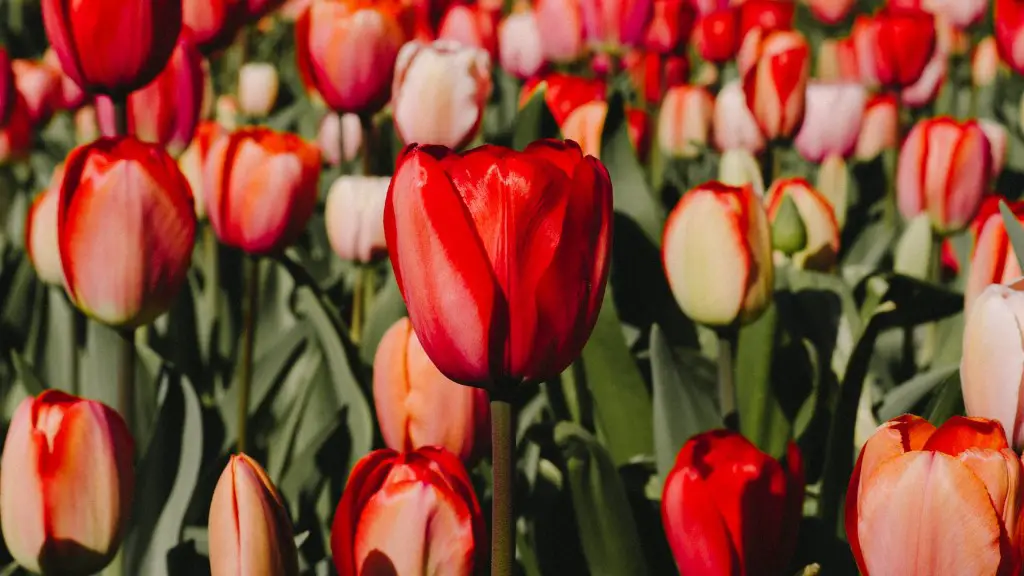
A tulip flower stem is thin and supports the flower well. The stem is also slightly curved, which gives the flower a bouncy look.
The stem of a tulip flower is called a pedicel. This type of stem supports the tulip flower by holding it up so that it can receive sunlight and nutrients.
Do tulips have stems?
Tulip stems typically have few leaves. Larger species of tulips tend to have multiple leaves. Most plants have two to six leaves, but some species can have up to twelve.
Tulips are one of the favorite spring bulb varieties and they come in a glaring assortment of colors, sizes, and petal forms. Many bulbs just produce 1 to 3 stems, but multi-flowering tulips can produce four or more flowering stalks. The bulbs are easy to plant and care for, and they will reward you with years of beautiful blooms.
What does the stem do on tulips
The stem of a tulip is important because it sends water and sunlight from the roots and sun to the leaves. The leaves are attached to the stem, so the stem must be strong enough to support the leaves.
The tulip is a beautiful flower that is native to Asia. The tulip produces two or three thick bluish green leaves that are clustered at the base of the plant. The usually solitary bell-shaped flowers have three petals and three sepals. There are six free stamens, and the three-lobed ovary is terminated by a sessile three-lobed stigma. The fruit is a capsule with many seeds.
Do tulips have strong stems?
Double tulips are my favorite type of tulip. They have strong, sturdy stems and bloom mid season. They are also the best tulips for perennializing. Double tulips are long lasting, and look like peonies. They provide early spring color in your garden.
If you want your flowers to stand up straight in a vase, try this trick: put a penny in the water and set it aside. Then, prep your flowers by removing the bottom one or two leaves–just enough to keep the leaves out of the water but still have some on top. Cut all of the stems at a 45-degree angle, and put them back in the vase. After about an hour, they’ll be standing straight up!
What does 🌷 mean from a girl?
The tulip emoji is a very popular emoji, especially among girls and women. It is often used to represent beauty, romance, flowers, and gardening themes. It can also occasionally be used to represent female genitalia, due to its soft, pink petals.
Tulips naturally seek light and will crane and bend toward the source. Find a spot for your vase out of direct sunlight or rotate the vase regularly to avoid phototropic droop. Direct sunlight will also significantly reduce the vase-life of cut flowers.
Do tulips have short stems
Two to three inches is the normal stem length for early season varieties such as Kaufmania and Fosterana. The mid- and late-season blooming varieties have the long stems. The stem length of tulips is related to the chilling period before flowering as well as the temperature in the weeks before the flower buds opening.
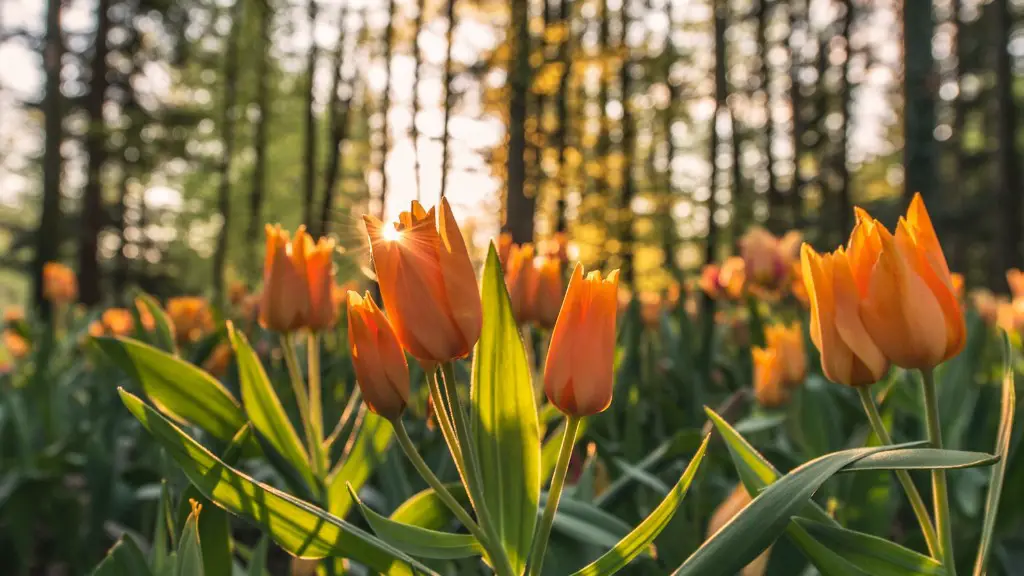
A tapered vase is ideal for displaying tulips, hyacinths, or daffodils. The taper allows the stems to be held in place at the base while the blooms burst out on display over the rim. This is a beautiful way to showcase the natural beauty of these flowers.
Do tulips have hollow stems?
The stems of tulips are actually hollow, so it is not surprising that they would buckle under the weight of the flowers as they try to suck up water. The extra support provided by the wrapping allows the stems to drink up all the water they need to keep the flowers perky.
If you want to add a little bit of extra height to your flowers, try adding a penny to the water. Simply place a penny in the water and set it aside. After about an hour, the stems of your flowers will be standing straight up!
What is unique about tulips
Tulips are one of the most popular flowers in the world and are known for their bold colors and beautiful shape. Most varieties of tulips are almost perfectly symmetrical, with three petals and three sepals. The sepals are usually the same size and shape as the petals, so tulips appear to have six petals. Tulips are native to Eurasia and grow best in temperate climates. They are planted in the fall and bloom in the spring.
Did you know that tulips actually originate from Turkey, not Holland? The name actually derives from the turban-like shape of the flower. In the 1600s, there was a period in Holland known as tulip mania, where the flowers became so coveted that they were actually worth more than houses!
There are now over 4,000 different varieties of tulip, with colors ranging from white to yellow to pink to purple. They are relatively easy to plant in the garden, and make for beautiful cut flowers. They also have a lovely meaning – tulips are often seen as a symbol of perfect love.
What is the features of tulip flower?
Tulips are a beautiful and popular type of flower that come in many colors. They are easy to care for and make a great addition to any garden.
Drooping tulips can be caused by dehydration or a lack of sunlight. Be sure to water your tulips once a week with 1 inch of water to keep them healthy and hydrated.
How long should tulip stems be
If you want to encourage your plants to bloom again next season, it’s best to wait until they start dying back before cutting off the flower heads. Removing the stems depletes their energy-storing ability, so they won’t be able to produce as many flowers next season.
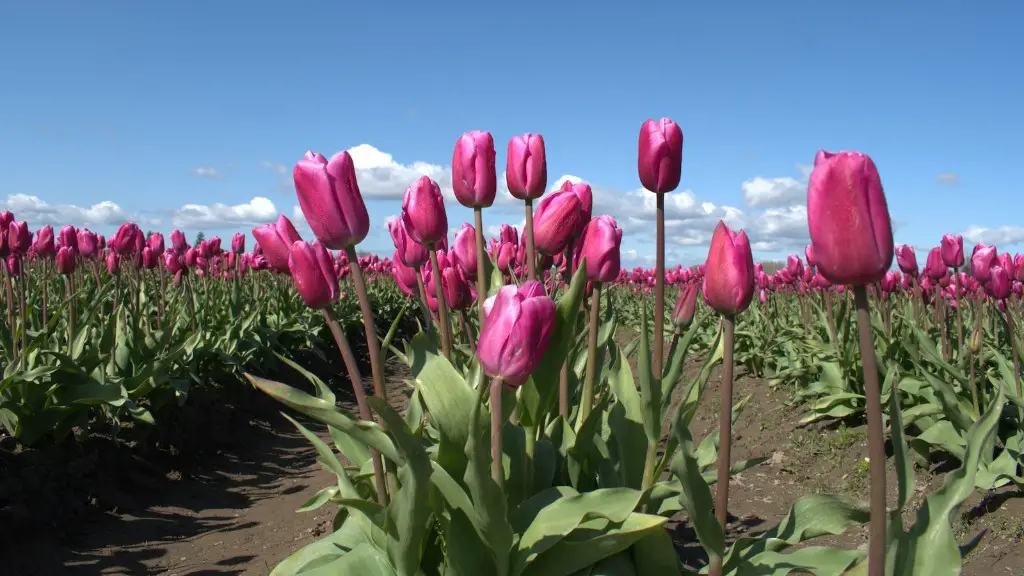
What a great way to start the spring season than with a beautiful carpet of jewel-like wildflower tulips! These flowers are not only gorgeous, but also quite sturdy and can last for many years. They are also shorter than other types of tulips, making them perfect for smaller gardens.
Final Words
The tulip flower is supported by a stem that is long and thin. The stem is green and has a few small leaves. The tulip flower is very pretty and has a lot of petals.
The tulip flower is supported by a stem that is firm but flexible. The stem is able to hold the tulip flower up even when the flower is heavy with rain or snow.