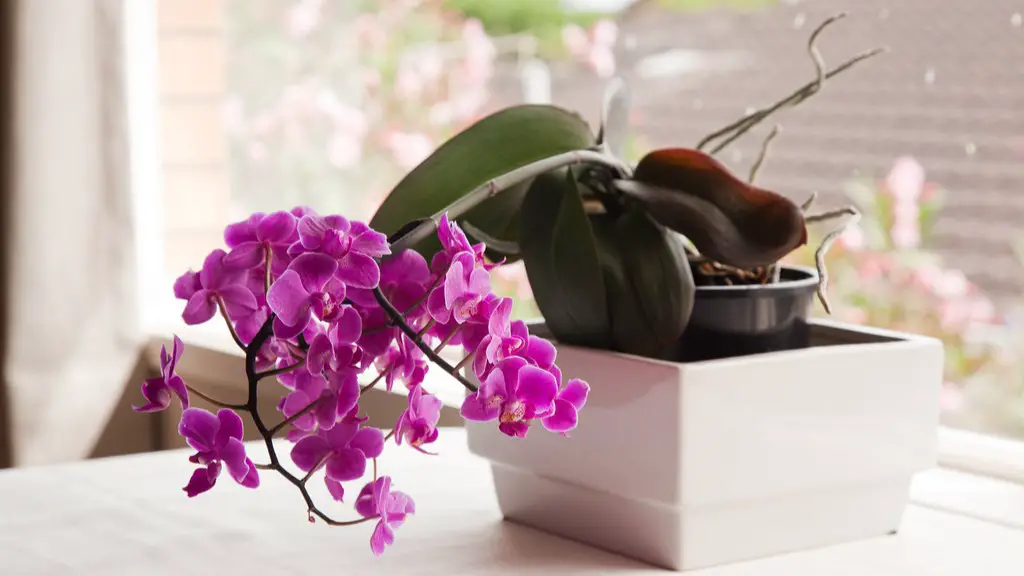
In this guide, we’ll go over everything you need to know about transplanting a Phalaenopsis orchid. We’ll discuss when to transplant, what type of potting mix to use, and how to care for your orchid after the transplant. By the end, you’ll be an expert at transplanting Phalaenopsis orchids!
1. Choose a healthy orchid with well-established roots.
2. Gently remove the orchid from its current pot.
3. Prepare the new pot by adding fresh potting mix.
4. Place the orchid in the new pot, and backfill with potting mix.
5. Water well, and place the pot in a bright, indirect light.
When should I transplant orchid Phalaenopsis?
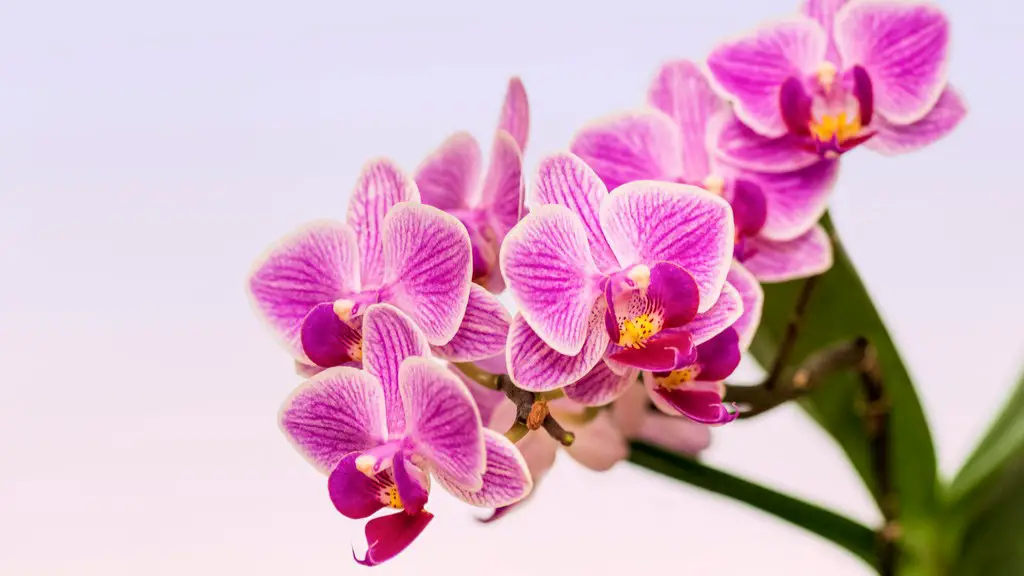
Phalaenopsis orchids are best repotted in either the spring or the fall, especially if you take them outdoors for the summer. If your plant hasn’t bloomed in a few years, Phalaenopsis orchid repotting is best performed in the spring. This will give the plant a chance to bloom again and will help to keep it healthy.
Air plants are one of the most popular houseplants around, but there are a few things you should know about them before you buy one! Here are 10 things nobody tells you about air plants:
1. They’re not actually plants!
Air plants are actually a type of Bromeliad, and they’re more closely related to pineapples than they are to traditional plants.
2. They don’t need soil to grow.
Air plants get all the nutrients they need from the air around them, which is why they’re so easy to care for.
3. They need lots of air circulation.
Make sure your air plant has plenty of space to breathe and don’t overcrowd it in its pot.
4. They need bright, indirect light.
Too much direct sunlight will scorch your air plant, so it’s best to place it in a spot where it will get bright, indirect light.
5. They’re high-maintenance when it comes to watering.
Air plants need to be watered about once a week, and they prefer to be soaked in water for a few hours rather than misted.
6. They’re susceptible to pests.
Air
What is the best potting mix for Phalaenopsis orchid
Texas A&M University botanists say that Phalaenopsis orchids thrive best in a potting mix that is 80% fir bark and 20% coarse sphagnum peat. This mix provides the orchids with the necessary nutrients and drainage to grow and bloom.
Phalaenopsis orchids are typically repotted after they have finished flowering. This allows the plant to put its energy into producing new roots, rather than flowers. It is important to choose a pot that is only slightly larger than the current pot, as Phalaenopsis orchids do not like to be pot-bound. Use a well-draining potting mix and water regularly, allowing the potting mix to dry out slightly between waterings.
Can I repot an orchid in regular potting soil?
If you want to pot your orchid in soil, you’ll need to use a special type of soil that is light and airy. This type of soil will allow the roots to breathe and will prevent the plant from becoming suffocated. You can find this type of soil at most garden centers or online.
Cinnamon and sulfur are both effective disinfectants that can be used to treat cut orchid roots. Soak the roots in a bucket of water for half an hour to loosen the potting medium and make the roots more flexible, then dust the roots with cinnamon or sulfur.
Should orchid roots be exposed?
Orchids are a fascinating and beautiful type of plant, and many people enjoy growing them. Some experts believe that a mixture of perlite and peat is less likely to produce aerial roots than bark, but either way, it’s important not to cover the roots, as they may rot. With a little care and attention, you can enjoy growing healthy and vibrant orchids in your home.
There are a number of orchid potting materials that are commonly used in the US, but the two most popular are orchid bark and sphagnum moss. These two materials are often mixed with other ingredients to create a potting mix that is ideal for orchids.
What kind of pots are best for orchids
Orchids require well-drained soil and light watering, so a pot with drainage holes or slits is ideal. Clay or plastic pots are both good choices. Be sure to remove any dead or dying leaves and flowers from the plant to encourage new growth.
Coffee grounds make an excellent fertilizer, especially for orchids and African violets. Be sure to dampen the potting mix before fertilizing, as dry roots can be burned by the fertilizer.
Do orchids like deep or shallow pots?
Orchids typically prefer shallower, squat pots as opposed to deep pots. The shallowerpots allow for better drainage and help to prevent the roots from becoming soggy orrotting. Additionally, most orchids do not need the depth that deep pots offer, astheir roots typically spread out instead of down.
The Coarse Blend Miracle-Gro Orchid Potting Mix is a great product for repotting orchids. It is packed with high quality substrate components that surpass my expectations. The first thing I noticed when opening the bag was that it was packed with the product. There was no need to fluff it up or add more to the pot. It was the perfect consistency and my plants are doing great in it. I would highly recommend this product to anyone in need of a good potting mix for their orchids.
How long does it take for orchid to recover after repotting
For newly repotted orchids, it is recommended that they be placed in an area where they will receive slightly less light than usual for the first 3 to 4 weeks. This will help to reduce the stress that can come from repotting. After a few weeks, you can then move them to their normal location.
Orchids are one of the most popular houseplants, and they are generally very easy to care for. One of the most important things to remember when caring for orchids is that they generally need to be repotted once a year. The best time to repot is just after flowering, or when new growth appears.
If you wait too long to repot, the plant will become pot-bound, and its roots will begin to suffocate. This will cause the plant to become unhealthy and will eventually kill it. So, if you see that your orchid needs to be repotted, don’t hesitate to do so!
Do you cover air roots when repotting orchids?
These roots will most probably die out if they can also rot. So this is again not a good thing because it can cause other problems for the plant.
When you’re repotting your orchid, you may find that some of the roots are not healthy. You should remove these roots before returning your plant to its pot. With your sanitized shears, trim dead roots about an inch above the point where they have begun to die.
Do you water orchids right after repotting
After you have re-potted your orchid, water it thoroughly. For the first couple of weeks after repotting, fertilize when watering with Better-Gro Better-Bloom Orchid Fertilizer, which is high in phosphorus and will stimulate root growth.
If you’re looking for ways to make your plants grow bushier, produce more flowers, and increase chlorophyll production, consider using Epsom salt. The white crystalline substance has been used by commercial orchid growers for over a century, and is said to deter pests (including slugs).
Conclusion
To transplant a phalaenopsis orchid, start by gently removing the plant from its current pot. Next, loosen the roots and trim off any that are damaged. Once the roots are trimmed, place the plant in its new pot and fill it with fresh potting mix. Be sure to water the plant well after transplanting.
To successfully transplant a Phalaenopsis orchid, it is important to choose a pot that is only slightly larger than the current pot and has drainage holes. The new pot should be filled with a moist, well-draining potting mix, and the orchid should be placed in the pot so that the roots are covered. The plant should be watered regularly, and fertilized every other week. With proper care, your orchid will thrive in its new pot.